Hobby culture
Thai Red Spiky
Trade name Tentative
Also sold as Thailand Spiky
A culture sold as Thai Red Spiky. The working identification is Rambutanura sp. 'Thai Red Spiky'.
Read this first
The identification is a working one. Do not cite it as a confirmed species.
What the name stands for
Three different things share one name. A culture is not a species, and a species is not the animals in your tub. Keeping them apart is how this site avoids repeating the trade's mistakes.
-
The culture
A lineage kept in tubs and passed between keepers under one name. The name comes from the trade.
- Name type
- Trade name
The origin of this stock is not documented.
-
The species it matches
The working identification, and how it was reached.
Rambutanura sp. 'Thai Red Spiky'- Name form
- sp. (species not named) The genus is known. The species is not.
- How sure
- Tentative A best guess that needs checking.
-
The animals checked
No specimen has been examined. The name rests on the trade label.
- Basis
- Trade label only
- Review
- Reviewed by a curator
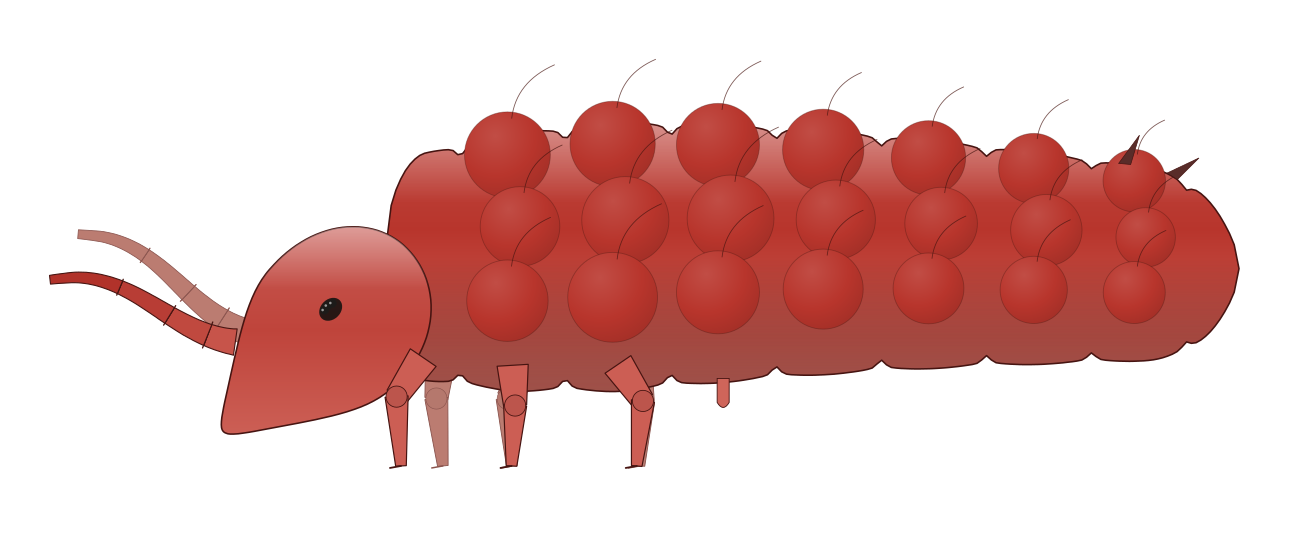
Care advice follows the working identification. Check it against what you see.
What would settle it
-
Which genera and species are the red and white neanurid hobby cultures?
Identification Needs a specialist
Why it matters. Thai Red, Thai Red Spiky, Thai Ruby, Pennywise and Santa Claus all look like plump coloured neanurids. Colour alone cannot place them, and visually different lines may or may not be different species.
What would help. Vouchers from each line scored for tubercles, setae, eyes, mouthparts and claws against the revisions of the group.
-
Which species is this culture, checked by a specialist?
Identification Needs a voucher specimen
Why it matters. Hobby cultures are mostly named from a seller's label or a photograph. A wrong name spreads from seller to keeper and then into care advice.
What would help. Preserved vouchers from the culture in 80 to 95 percent ethanol, mounted specimens examined by a springtail specialist, and a DNA barcode where a reference exists. Deposit the voucher with a museum or a university collection.