Identify a springtail

Say what you can see, in any order. The list updates after every answer. The key tells you plainly when your equipment cannot take you further.

Loading the key

How this key works

  1. There is no AI in this key. It is arithmetic over the same character table that every species page shows.
  2. An answer is a careful guess, not a fact. You can be wrong and the key allows for it. It also allows for species whose features nobody has recorded.
  3. The percentages are the key's own estimates under those assumptions. The reliability of each feature is an editorial estimate. A reader trial would measure it.
  4. The key keeps room for animals the wiki has no page for. That is why it sometimes says the animal is probably not covered.

Read the method

Every feature and every state

The key asks about these features. Each state is drawn, so you can compare what you see with the picture.

Whole animal

Body form Needs Naked eye or better

What is the overall shape of the body?

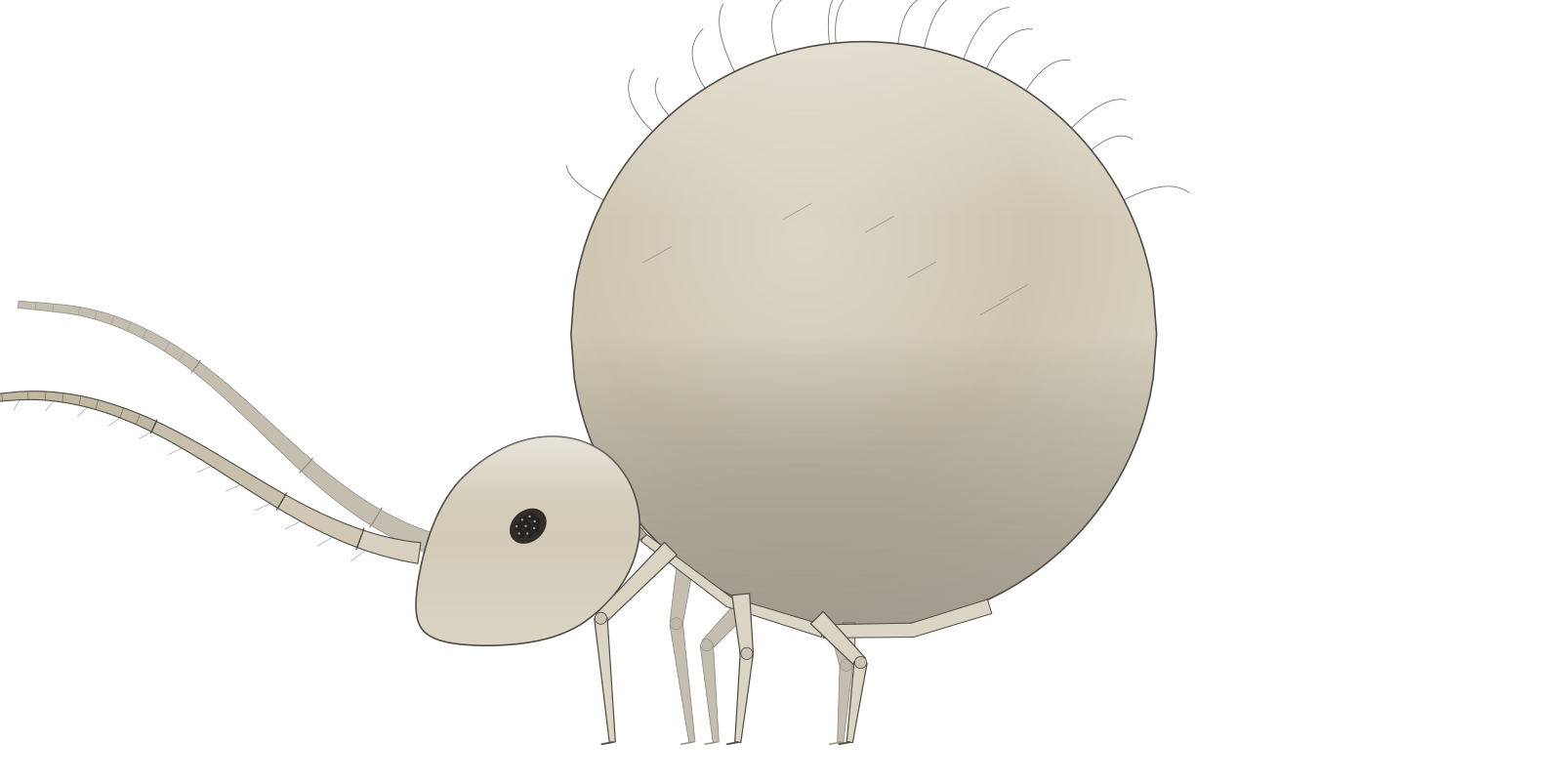
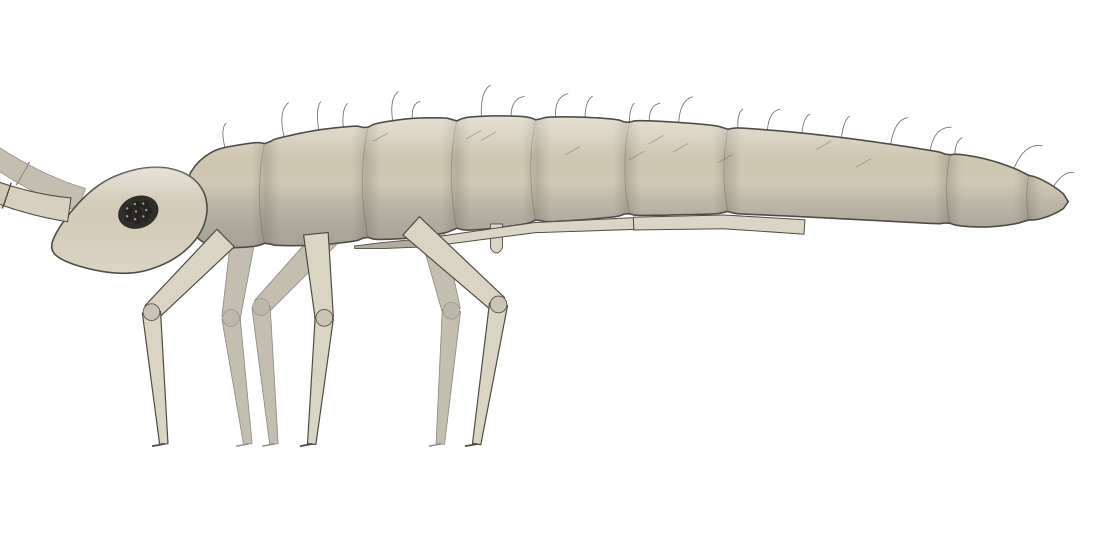
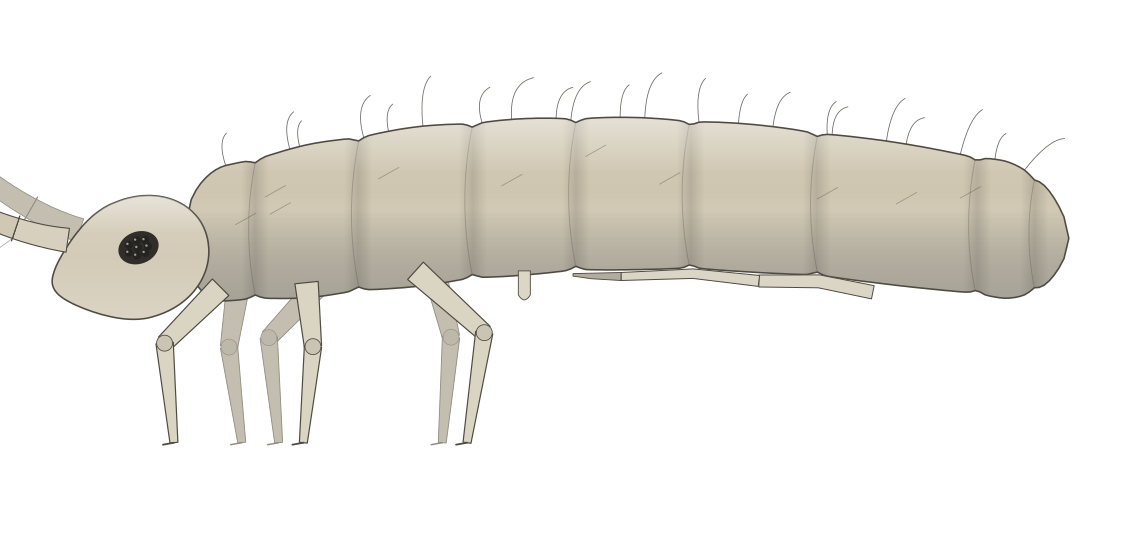
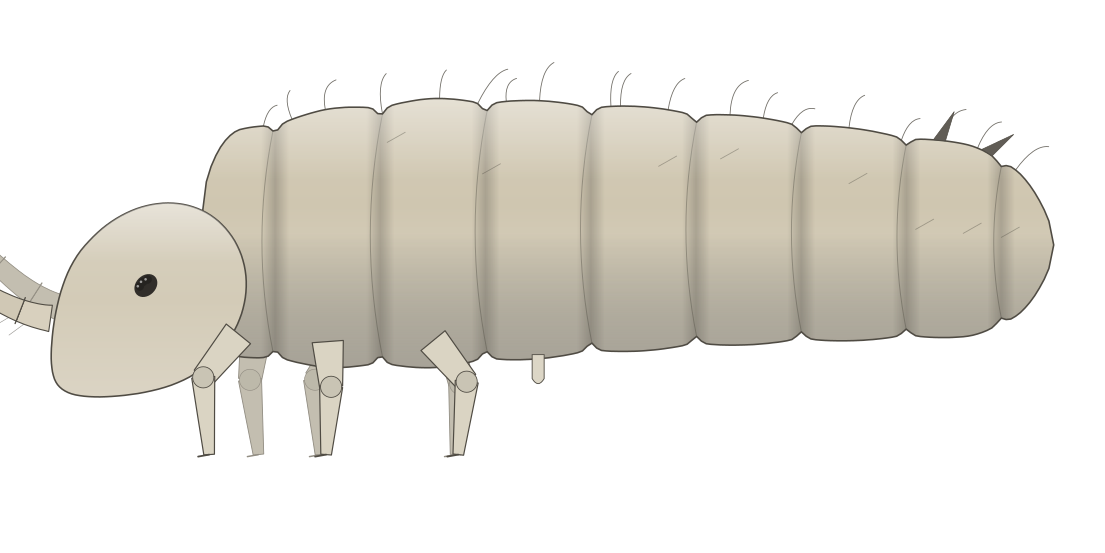
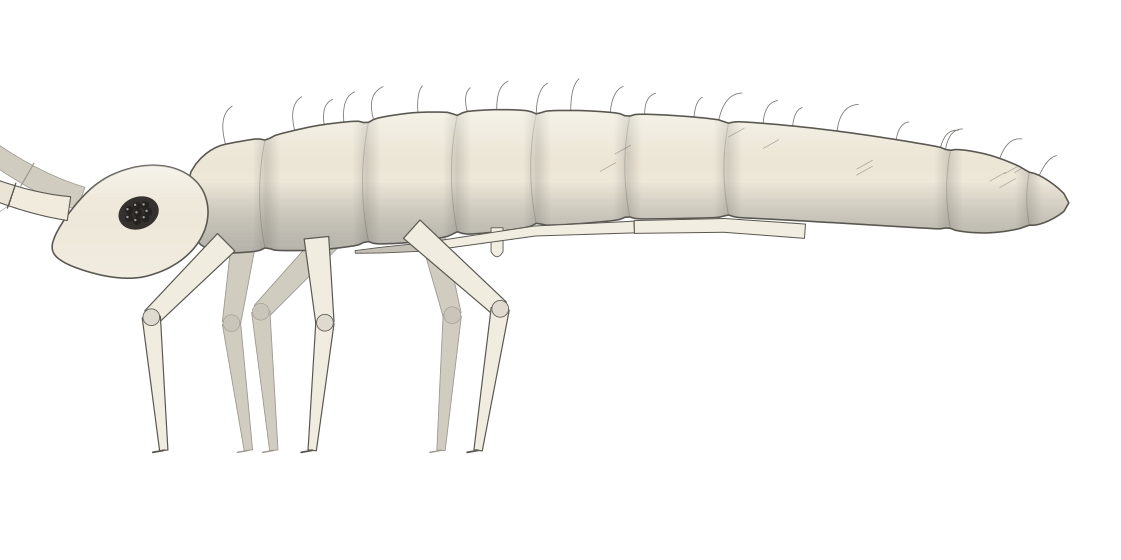
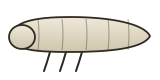
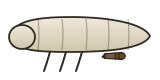
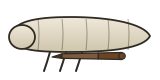
Look at the animal from above and from the side. Compare it with the four drawings. Round and bead-like animals have no visible trunk segments.

  • Round like a bead The body is round and bead-like and the trunk segments cannot be told apart.
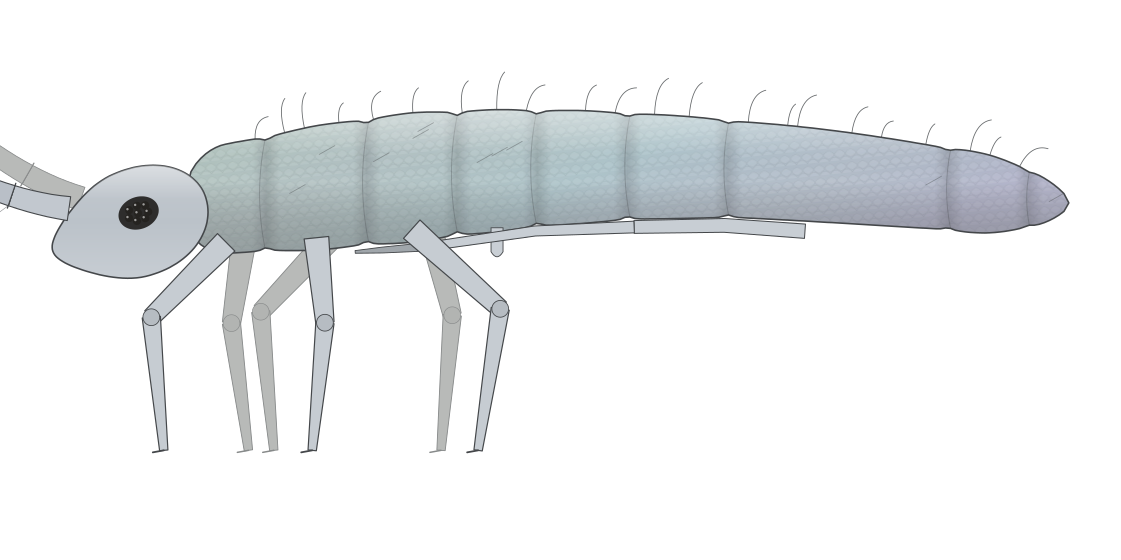
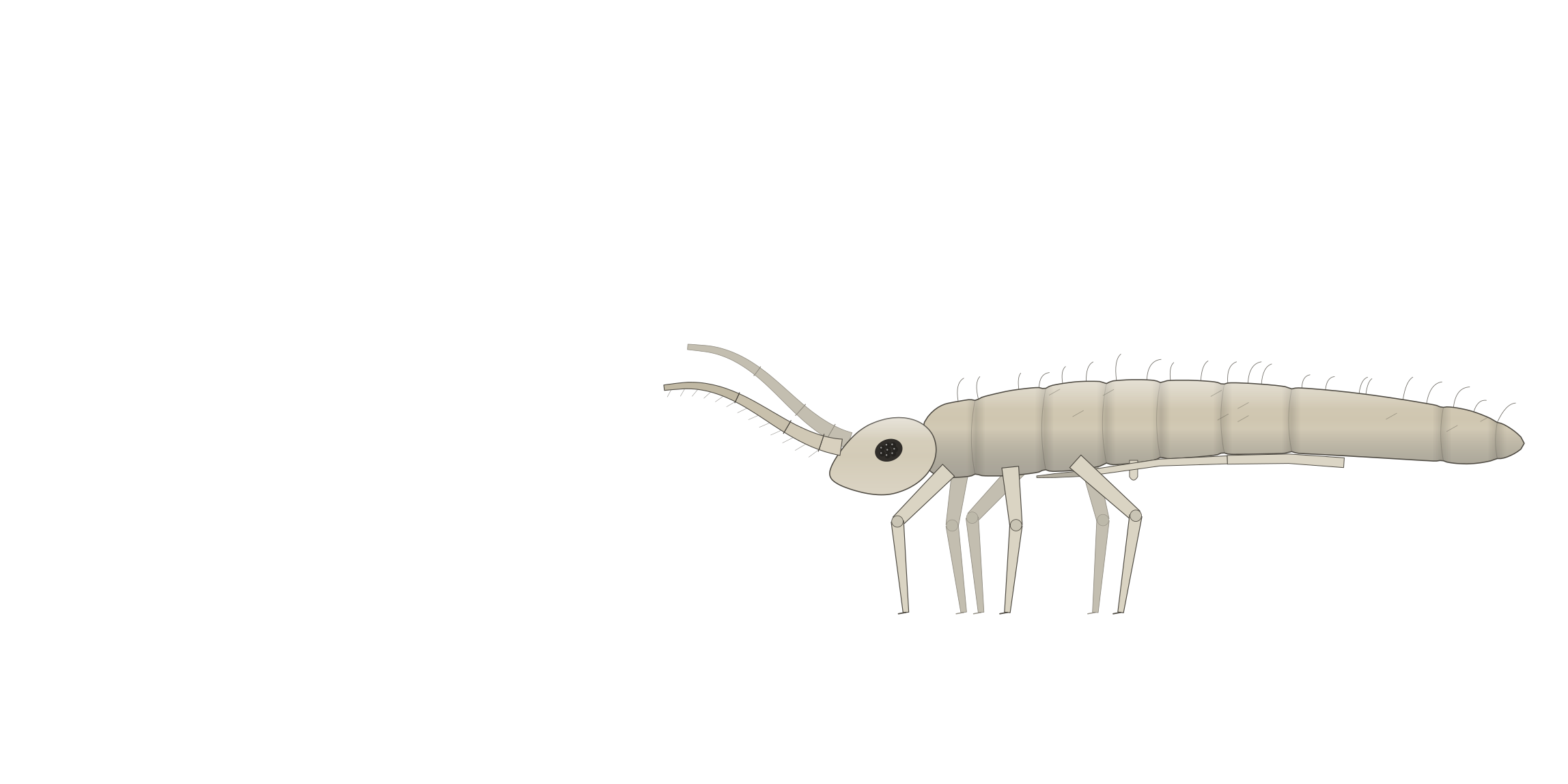
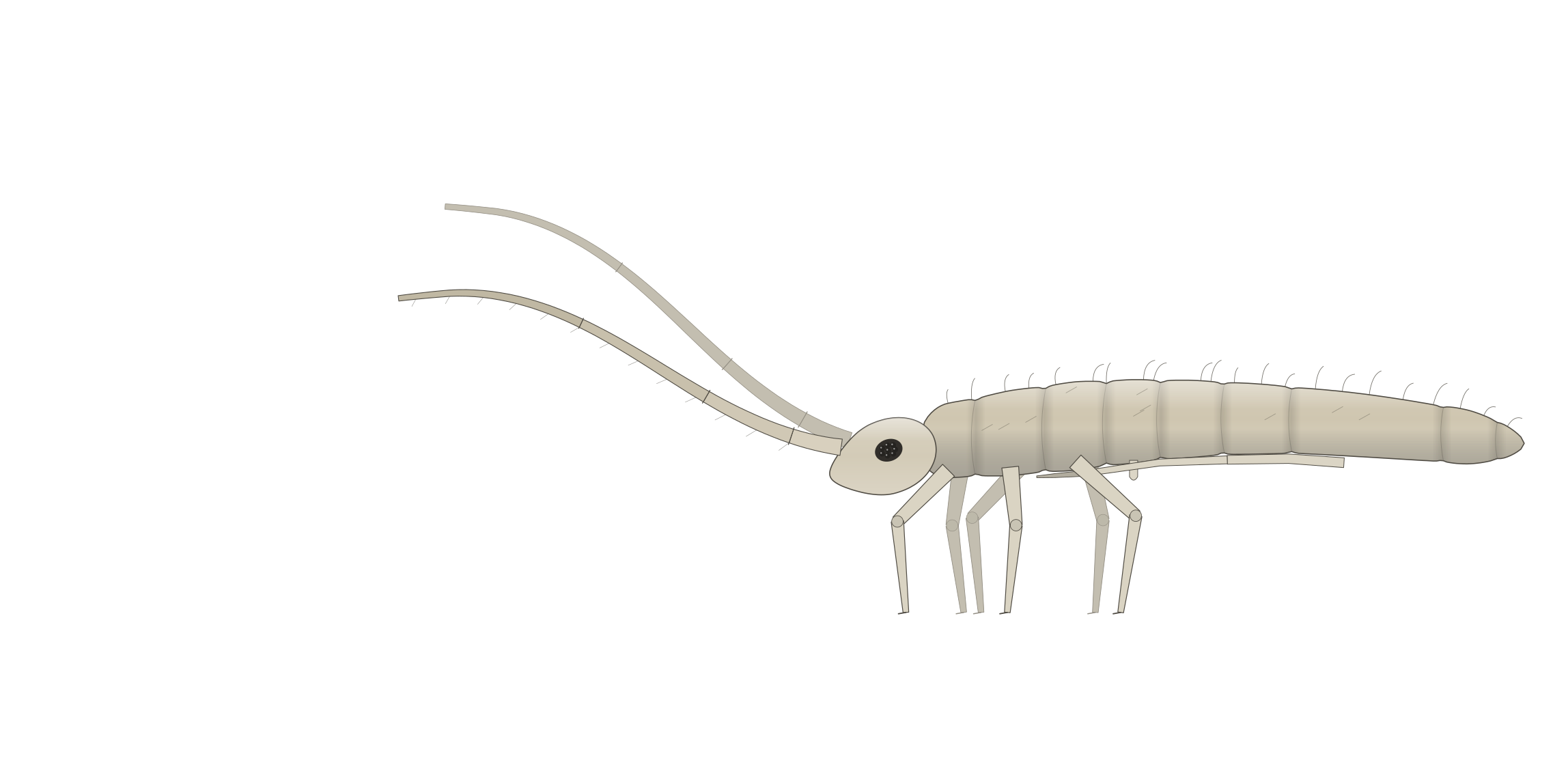
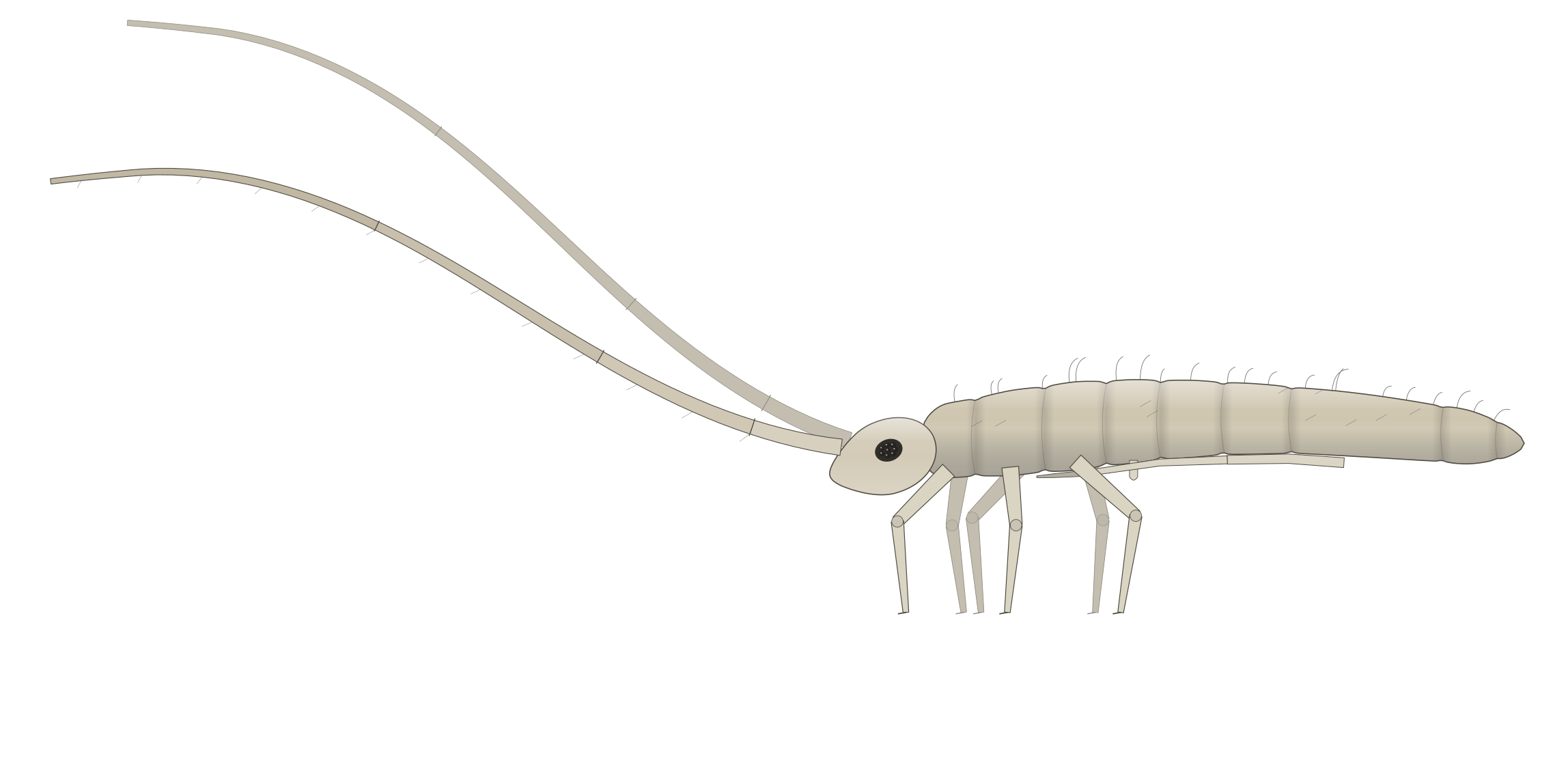
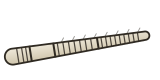
  • Long and slim The body is long and slim with clearly visible segments, long antennae and long legs.
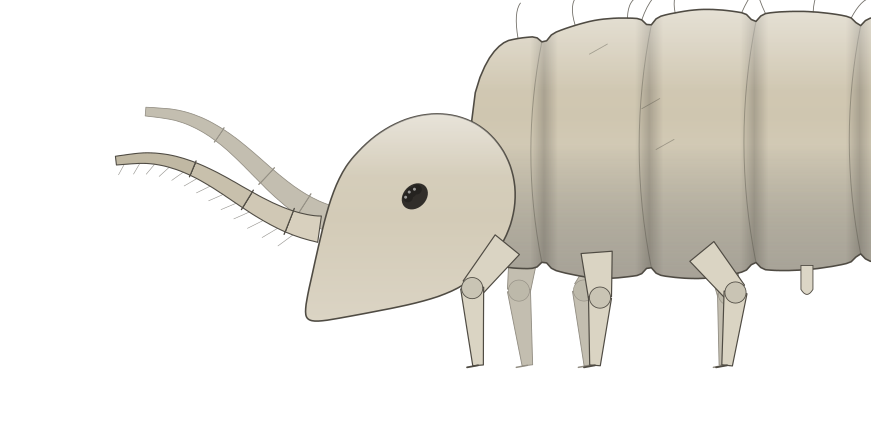
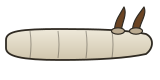
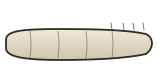
  • Slim tube The body is a smooth tube with segments you can see, and shorter antennae and legs.
  • Short and plump The body is short, broad and grub-like with a rounded outline.
Body length Needs Naked eye or better

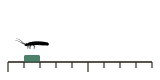
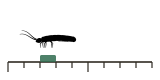
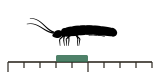
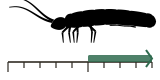
How long is an adult from head to tail, with antennae and jumping organ left out?

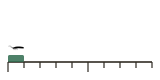
Measure against a ruler on a pale background, or read it from a photo that has a scale. A juvenile is smaller than an adult, so measure the largest animals you have.

  • Under 1 mm Smaller than a grain of fine sand.
  • 1 to 2 mm About as long as the width of a pencil lead.
  • 2 to 3 mm About as long as a grain of rice is wide.
  • 3 to 5 mm A clearly visible, thin animal about as long as a grain of rice.
  • Over 5 mm Longer than a grain of rice.

Colour

Main colour Needs Naked eye or better

What colour is most of the body in life?

Judge in daylight against a white background. What the animal ate shows through the body wall, so look at the colour of the outer skin and not only the gut. Pick every colour that fits if you are unsure.

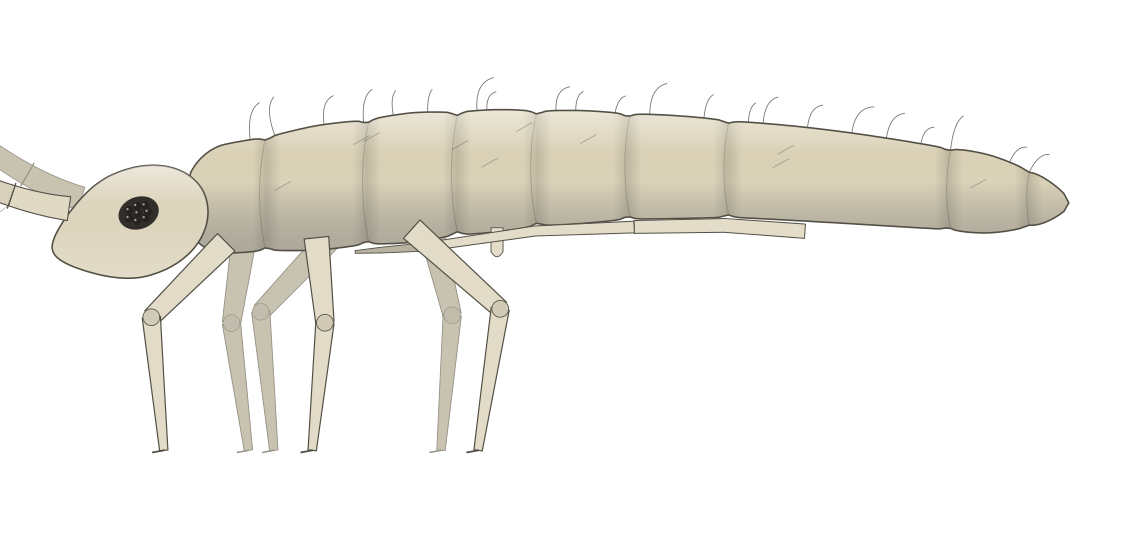
  • White or cream Pale with no strong tint.
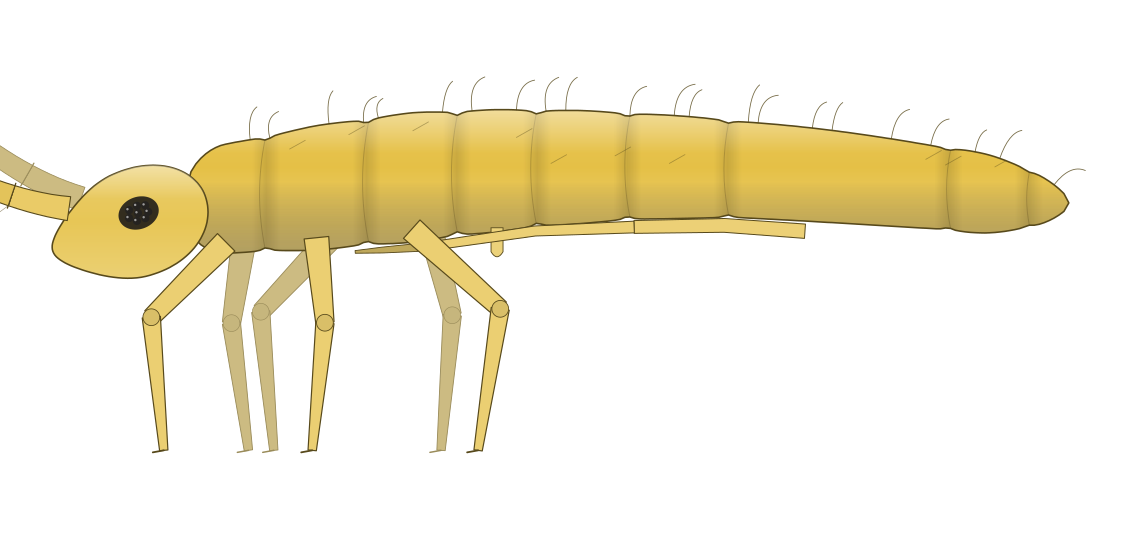
  • Yellow Clearly yellow and not just cream.
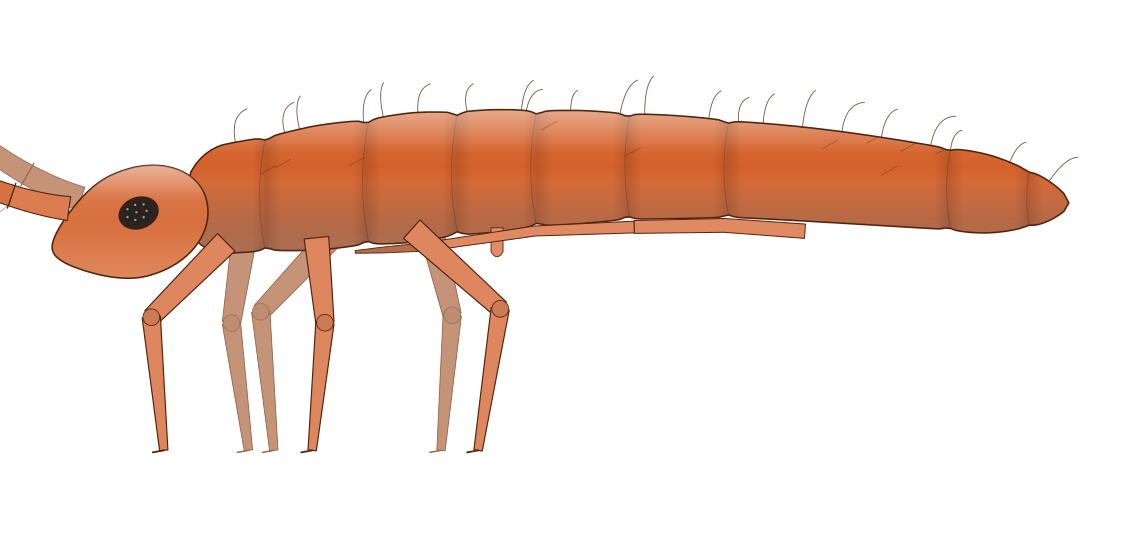
  • Orange or red Orange, rust or brick red.
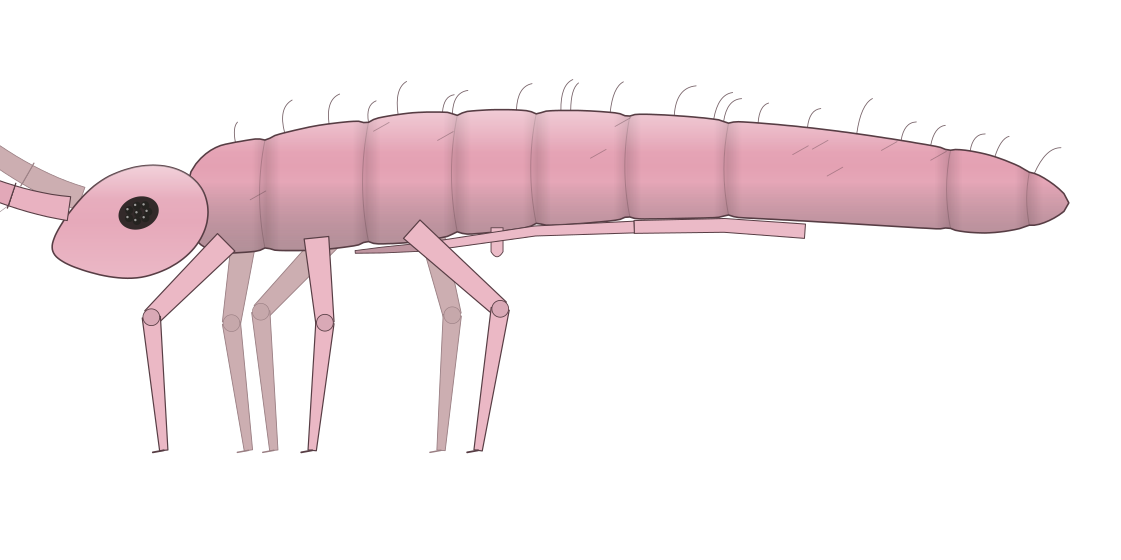
  • Pink Pink or salmon, often a pale body with a tint.
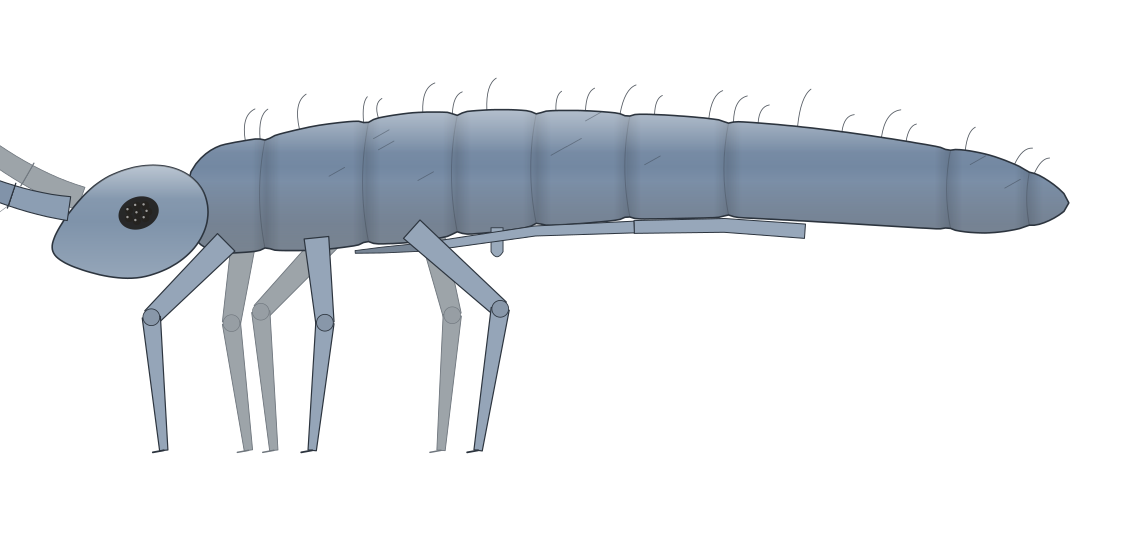
  • Grey or blue Slate grey, steel blue or blue grey.
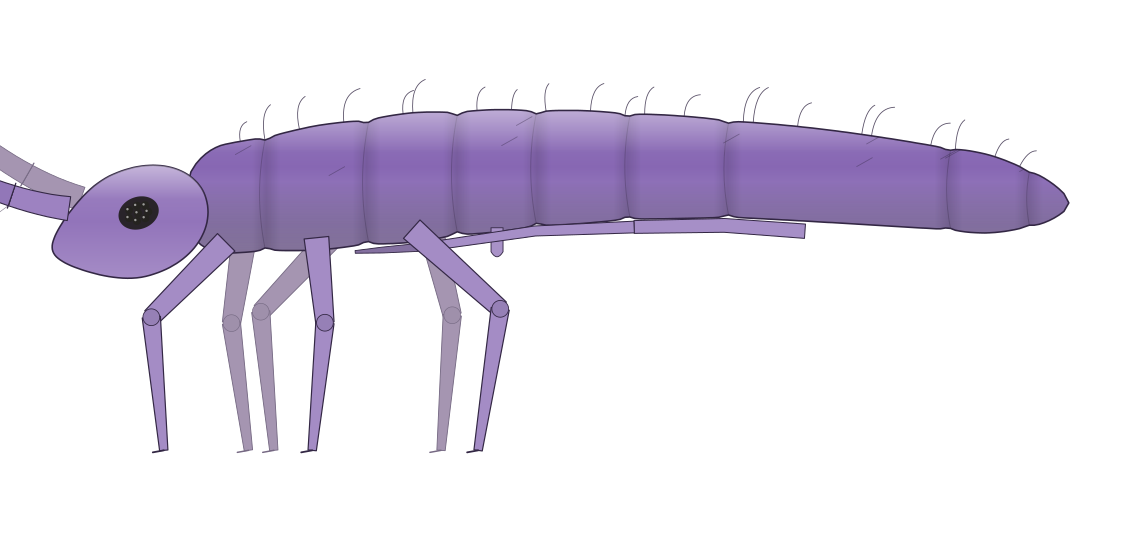
  • Purple or lilac Lilac, violet or purple.
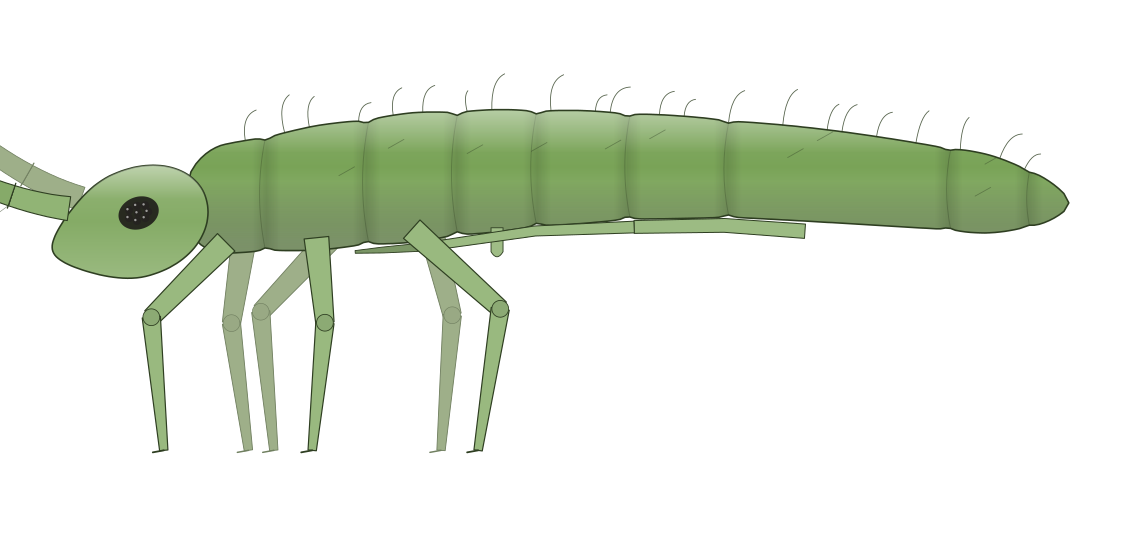
  • Green or olive Green, olive or green grey.
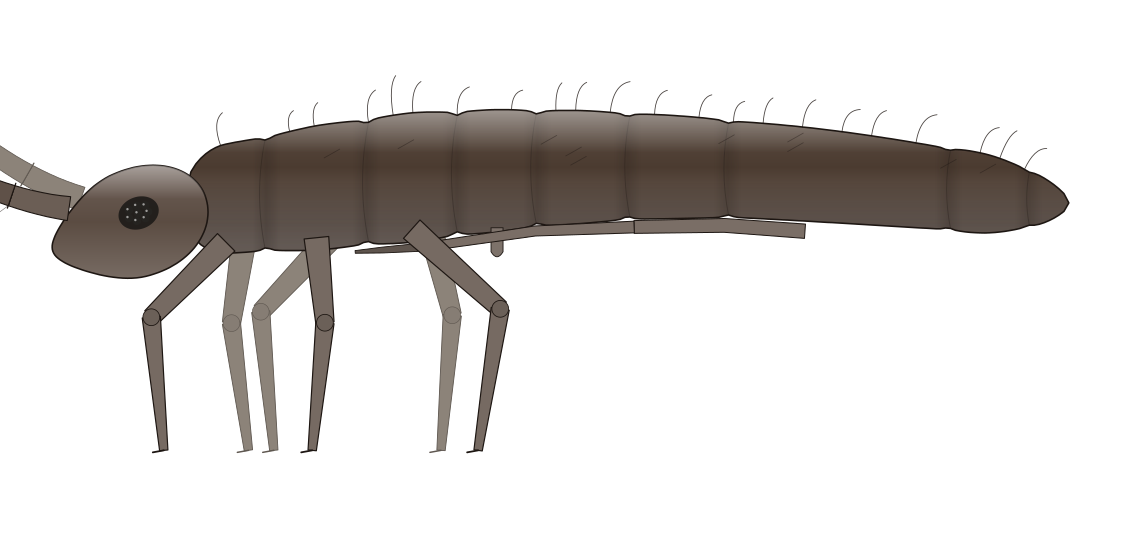
  • Brown or black Dark brown to black.
  • Silvery or shimmering A metallic shimmer that changes with the light.

Colour pattern Needs Naked eye or better

Is the colour even, or does it form a pattern?

Look at the top of the body from above. A pattern means pigment that is clearly darker or paler in some places and not only a shade that fades along the body.

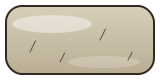
  • Even colour The colour is the same all over, apart from a darker or paler gut.
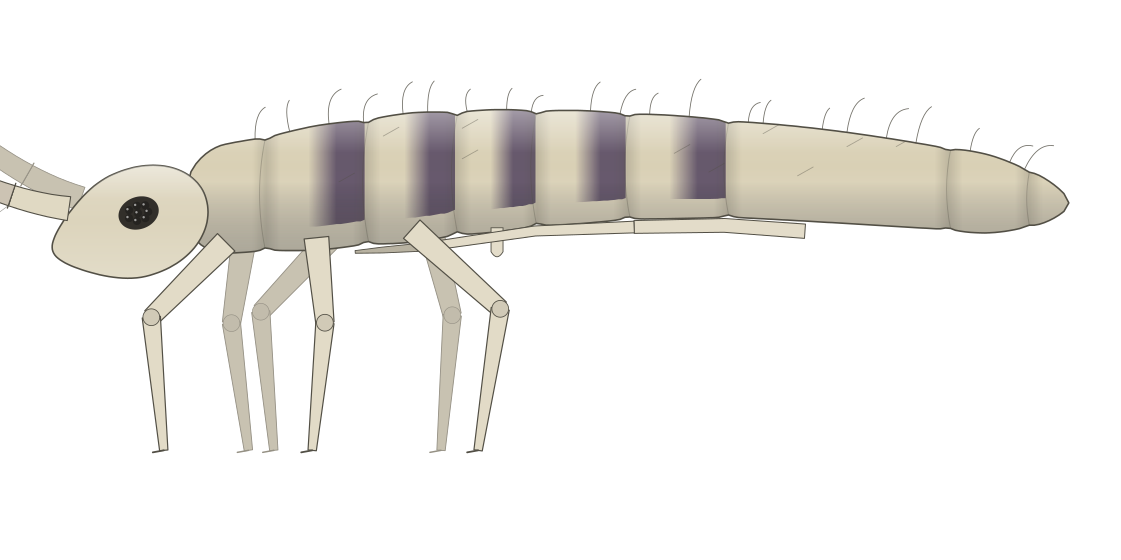
  • Crossbands Dark or pale bands run across the body from side to side.
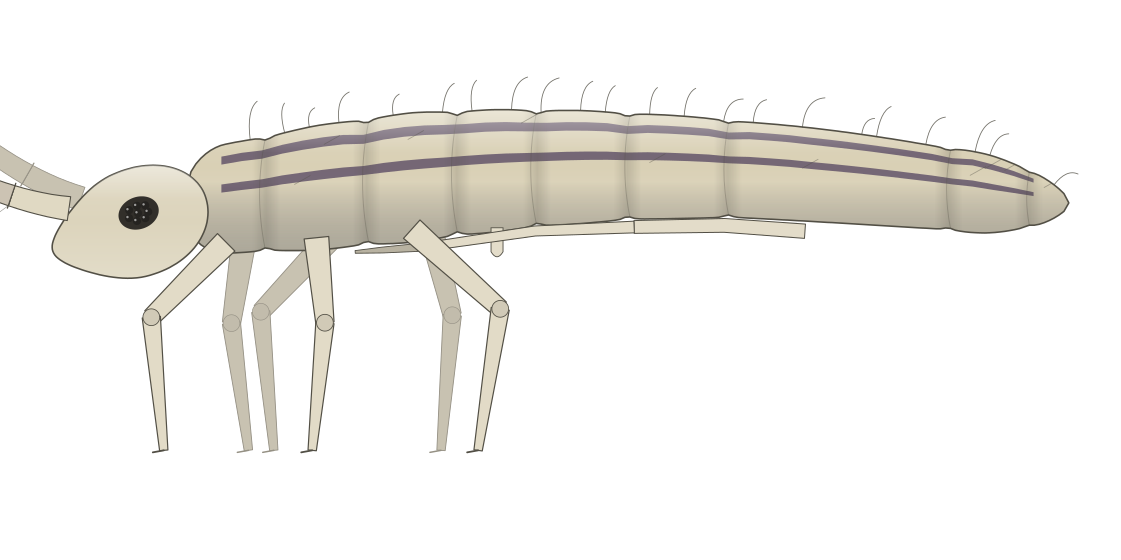
  • Lengthwise stripes Stripes run along the body from head to tail.
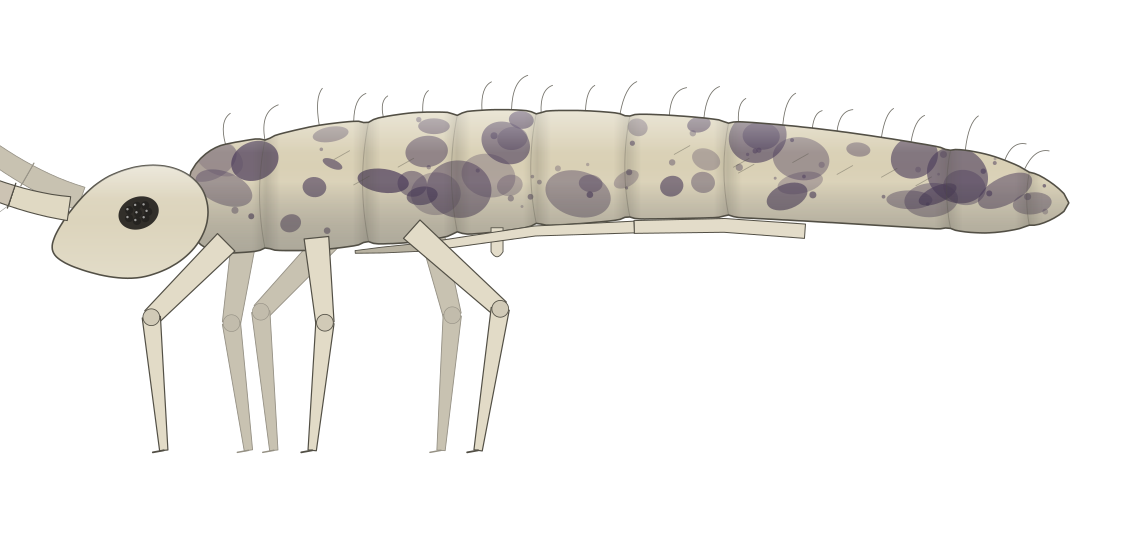
  • Spots or mottling Spots, flecks or cloudy patches without a clear order.
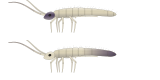
  • Dark head or dark tail end The head or the rear of the abdomen is clearly darker than the middle.
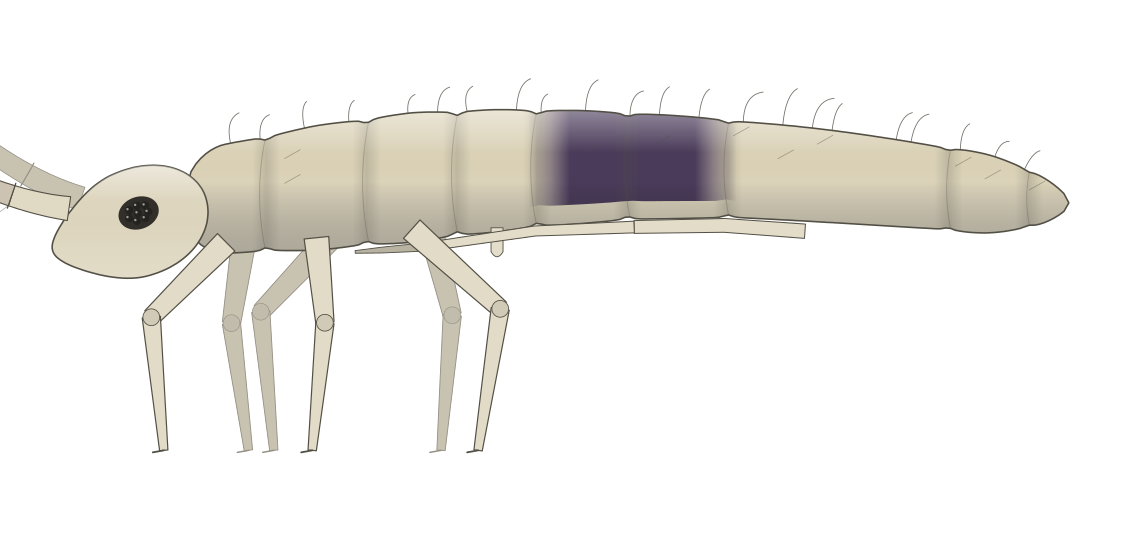
  • Saddle on the back A single dark patch sits across the back like a saddle.

Surface

Surface texture Needs Hand loupe or better

What does the skin of the back look like under magnification?

Use a hand loupe or a stereo microscope and a bright side light. Many species are smooth. Hairy ones carry visible bristles, and bumpy ones have raised knobs in rows along the back.

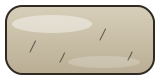
  • Smooth The skin looks smooth and shiny with only a few fine bristles.
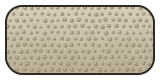
  • Finely grainy The skin looks fine-grained, like very fine sandpaper, with no knobs.
  • Bumpy with knobs Raised round knobs sit in rows along the back and give a warty look.
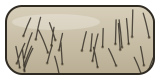
  • Hairy or bristly Many visible hairs or bristles cover the back.

Scales Needs Hand loupe or better

Does the body carry flat scales that rub off?

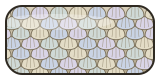
Scaled species shimmer and can leave a faint dust on a pale surface. Under strong light the scales look like a tile pattern. Do not rub a live animal to find out.

  • Scales present The body is covered in flat scales that give a shimmer or a tiled look.
  • No scales The body has no scales, only skin and bristles.

Head

Antenna length Needs Phone macro or better

How long are the antennae compared with the body?

Hold the animal against a ruler or use a sharp photo. Compare the antenna with the body length without the jumping organ.

  • Shorter than half the body The antennae are short and stubby, clearly less than half the body length.
  • Half the body to the whole body The antennae are between half the body length and about as long as the body.
  • Longer than the body The antennae are clearly longer than the whole body.

Antenna segments Needs Stereo microscope or better

Are the last antenna segments divided into rings?

Look at the antenna under a stereo microscope. A simple antenna has four clear segments. In a divided antenna some segments are split again into small rings.

  • Four plain segments The antenna has four clear segments and none is divided into rings.
  • Divided into rings At least one segment is split into small rings, which makes the antenna look jointed.

Eyes Needs Phone macro or better

Are there dark eyespots on each side of the head?

Look at the head from above and from the side. Eyes are small black patches on both sides of the head behind the antenna base. Some species have none at all.

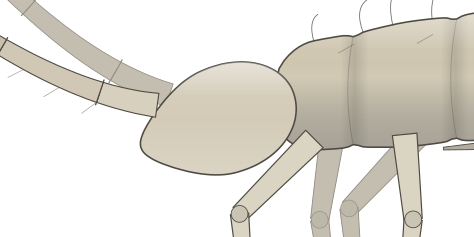
  • No eyes The head has no dark eyespots.
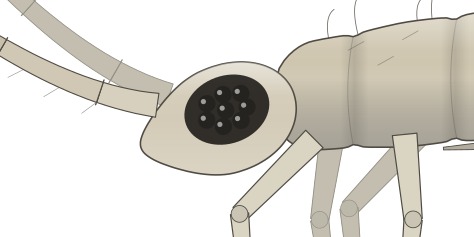
  • Eyes present Dark eye patches sit on both sides of the head.

Eye count Needs Stereo microscope or better

How many separate eye spots are in each eye patch?

Count the single dark dots inside one eye patch under a stereo microscope. The maximum in springtails is eight on each side.

Asked only when Eyes is Eyes present

  • One or two One or two dots in each eye patch.
  • Three to five Between three and five dots in each eye patch.
  • Six or seven Six or seven dots in each eye patch.
  • Eight Eight dots in each eye patch, the most a springtail can have.

Mouth shape Needs Hand loupe or better

Do the mouthparts form a pointed cone below the head?

Look at the head from the side under a stereo microscope. A mouthcone looks like a short pointed snout. Without one the mouth is blunt and the head is rounded in front.

  • Pointed cone The mouthparts form a short, pointed snout below the head.
  • Blunt mouth The mouth is blunt and the head is rounded in front.

Furca

Jumping organ Needs Hand loupe or better

How well developed is the forked jumping organ under the tail end?

Turn the animal over under magnification, or look at a shed skin. The furca is a forked structure folded forward under the abdomen. A long one reaches toward the middle of the body, a short one does not, and some species have none.

  • Absent No forked organ sits under the abdomen, and the animal does not spring.
  • Short A small furca is there but it is too short to reach far forward.
  • Long A long furca reaches forward under the body, and the animal springs when disturbed.

Body

Spines on the tail end Needs Stereo microscope or better

Are there two dark spines on top of the last abdominal segment?

Look at the very end of the abdomen from above under a stereo microscope. Anal spines are a pair of short dark spikes, often on small bumps. They are not the same as the long hairs on the tail.

  • Spines present A pair of short dark spines sits on top of the last abdominal segment.
  • No spines The last abdominal segment has no spines.