Genus
Orchesella
Accepted Stable
R.Templeton, 1836
3 species pages
About this group
What is true of the whole group
| Feature | In this group | Status |
|---|---|---|
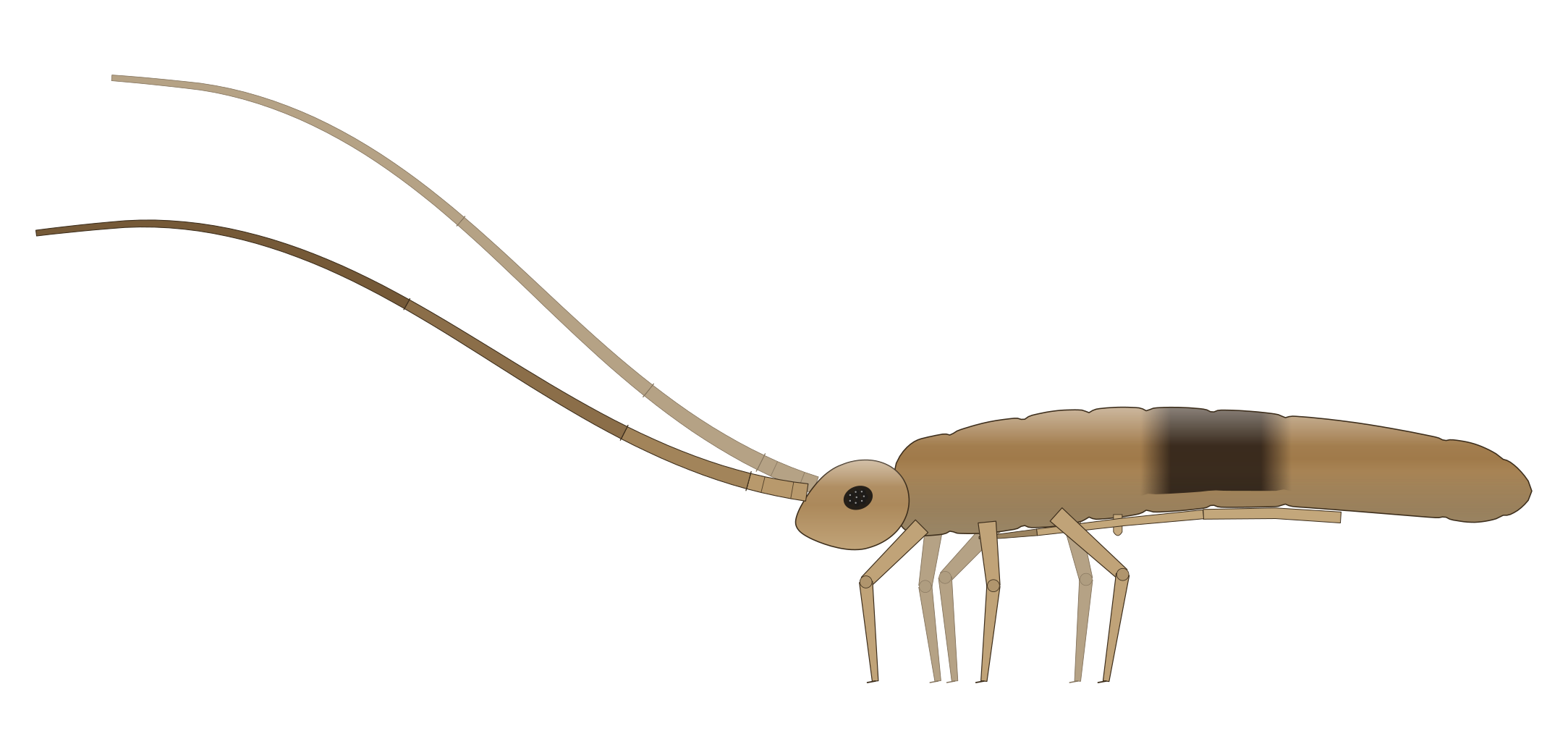
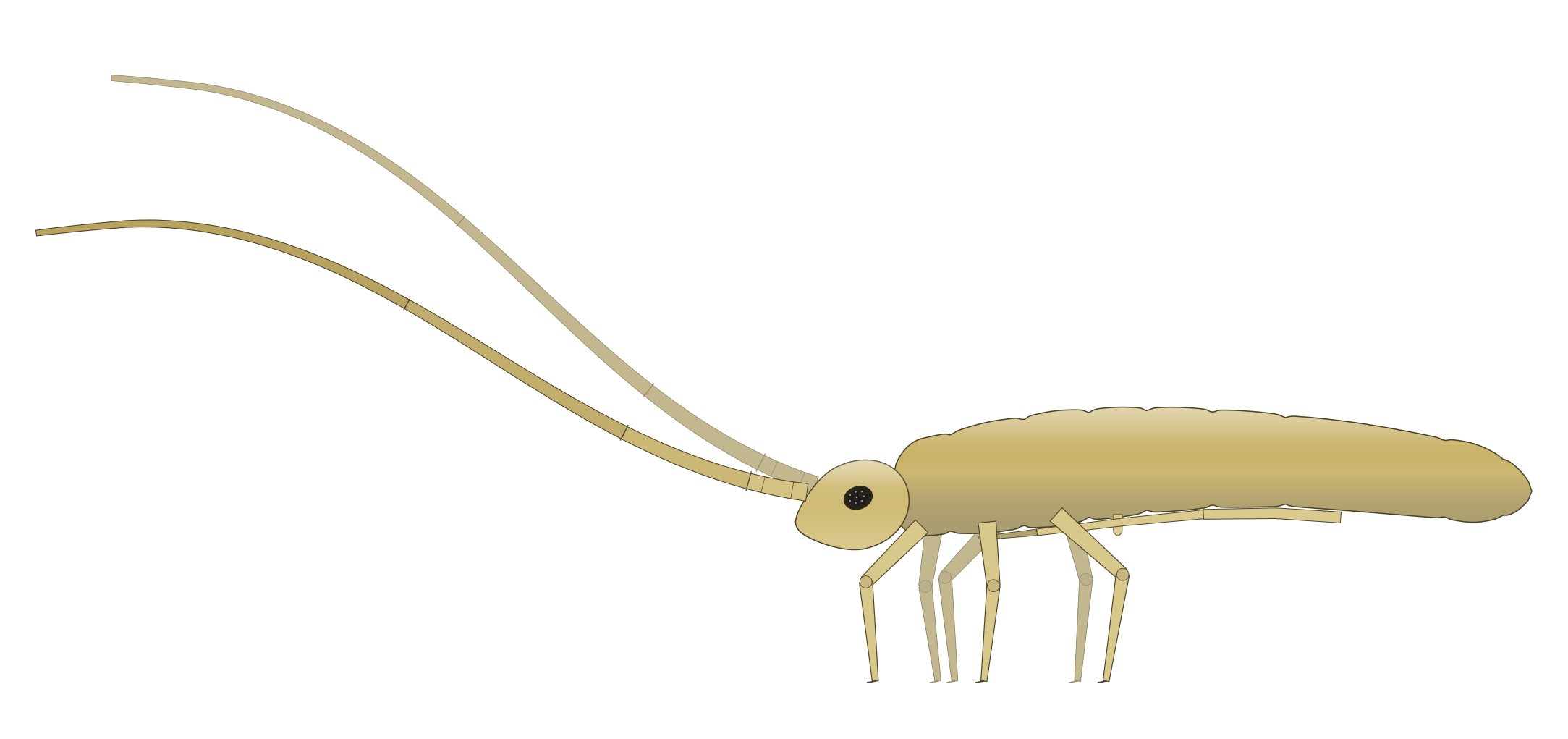
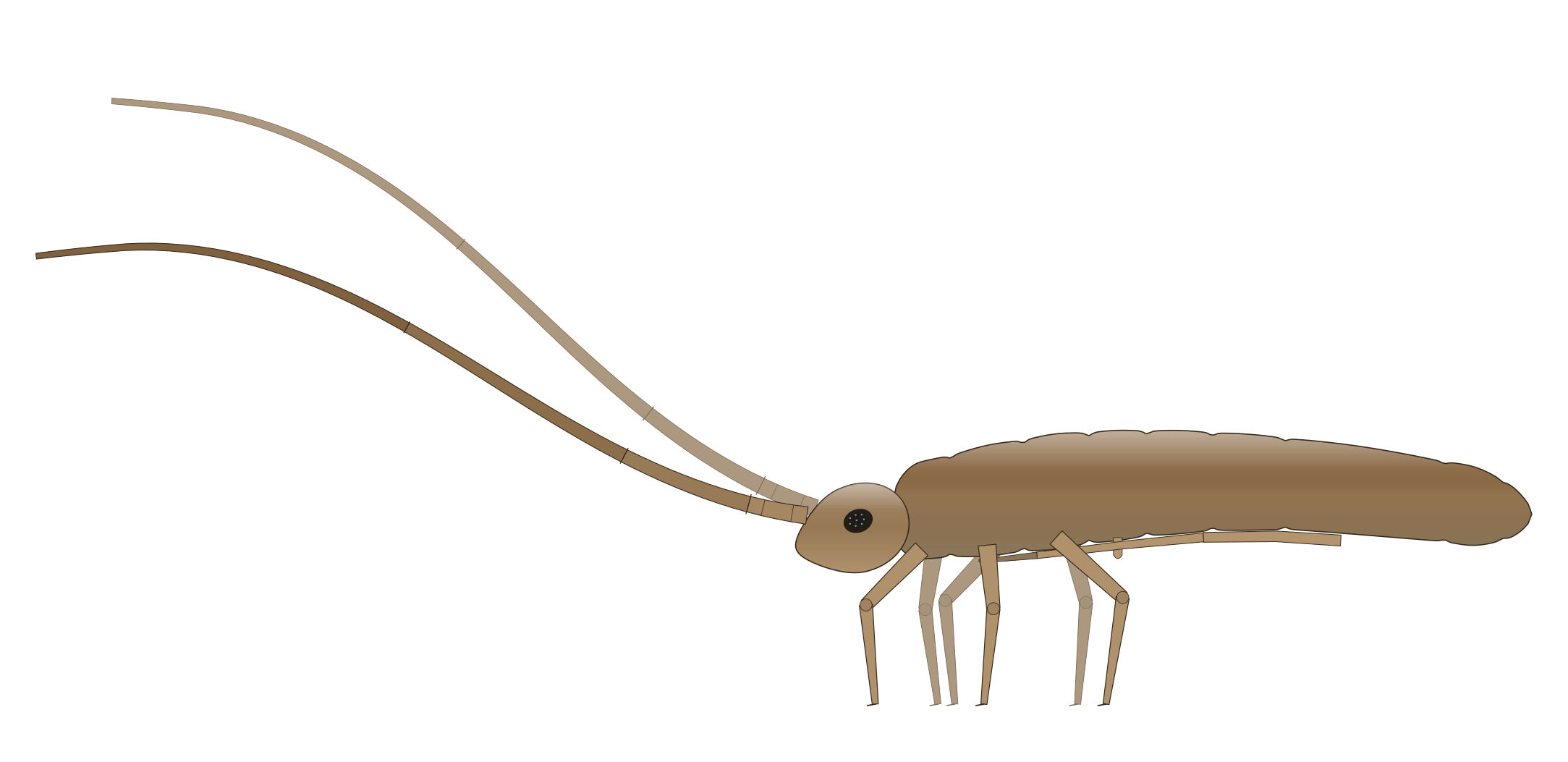
| Body form | Long and slim. The body is long and slim with clearly visible segments, long antennae and long legs. | Known |
| Scales | No scales. The body has no scales, only skin and bristles. | Known |
| Eyes | Eyes present. Dark eye patches sit on both sides of the head. | Known |
| Eye count | Eight. Eight dots in each eye patch, the most a springtail can have. | Known |
| Antenna segments | Divided into rings. At least one segment is split into small rings, which makes the antenna look jointed. | Known |
| Antenna length | Half the body to the whole body. The antennae are between half the body length and about as long as the body. Longer than the body. The antennae are clearly longer than the whole body. | Varies |
| Jumping organ | Long. A long furca reaches forward under the body, and the animal springs when disturbed. | Known |
Inside this group
- Orchesella ainsliei Species
Species pages
- Orchesella cincta Belted Springtail A large hairy springtail sold as the Belted Springtail or Giant Belted Springtail.
- Orchesella flavescens Known on this site only as the hobby culture Yellowish Elongate. No source read for this site describes the animal.
- Orchesella villosa Woolly Mammoth Springtail A hairy springtail sold as the Woolly Mammoth Springtail. Several indistinguishable localities are in hobby culture.
Names and records
- Rank
- Genus
- Placed here by
- Bellinger and others
- Author and year
- GBIF lists Orchesella R.Templeton, 1836. Checked Oct 22, 2026.
External records
Sources
- 1
Biology of the Springtails (Insecta: Collembola)
Hopkin SP. 1997. Oxford University Press
Verified against a registry · Specialist monograph
Cited at chapter on external morphology.