Step by step set-ups
Make a springtail climbing barrier
A thin dry coat of hydrophobic fumed silica in alcohol stops springtails from walking up to the lid. Wear a dust mask while you mix it.
Why a barrier
Many species gather on the walls and lids of culture containers, so springtails escape whenever you open a culture, even with gasket seals and mesh over the vents.
Vaseline is often suggested, but springtails can walk right over it or get trapped in it. The dry barrier in this guide allows no movement beyond it.
Make it
- You need 95 percent denatured ethanol, hydrophobic fumed silica, a small paintbrush and a 2 to 4 oz deli cup or dish. Isopropyl alcohol will not work, and non-hydrophobic fumed silica will not work either.
- Add a little silica to the cup and pour in a little alcohol. The mix should be not much thicker than water. One gram of silica to 20 grams of alcohol is a good starting point, and exact ratios are not critical.
- Paint a very thin layer along the wall just below the lid. A thick layer flakes off once dry.
- Let the alcohol evaporate. Wait an hour before adding springtails to be sure it has gone.
Limits
The dried barrier wipes off very easily, so do not touch it. After months of use some species wear it away.
Mixed barrier stored in deli cups slowly dries out. Add alcohol as needed, or store it in a tighter container.
Keep reading
Species in this guide
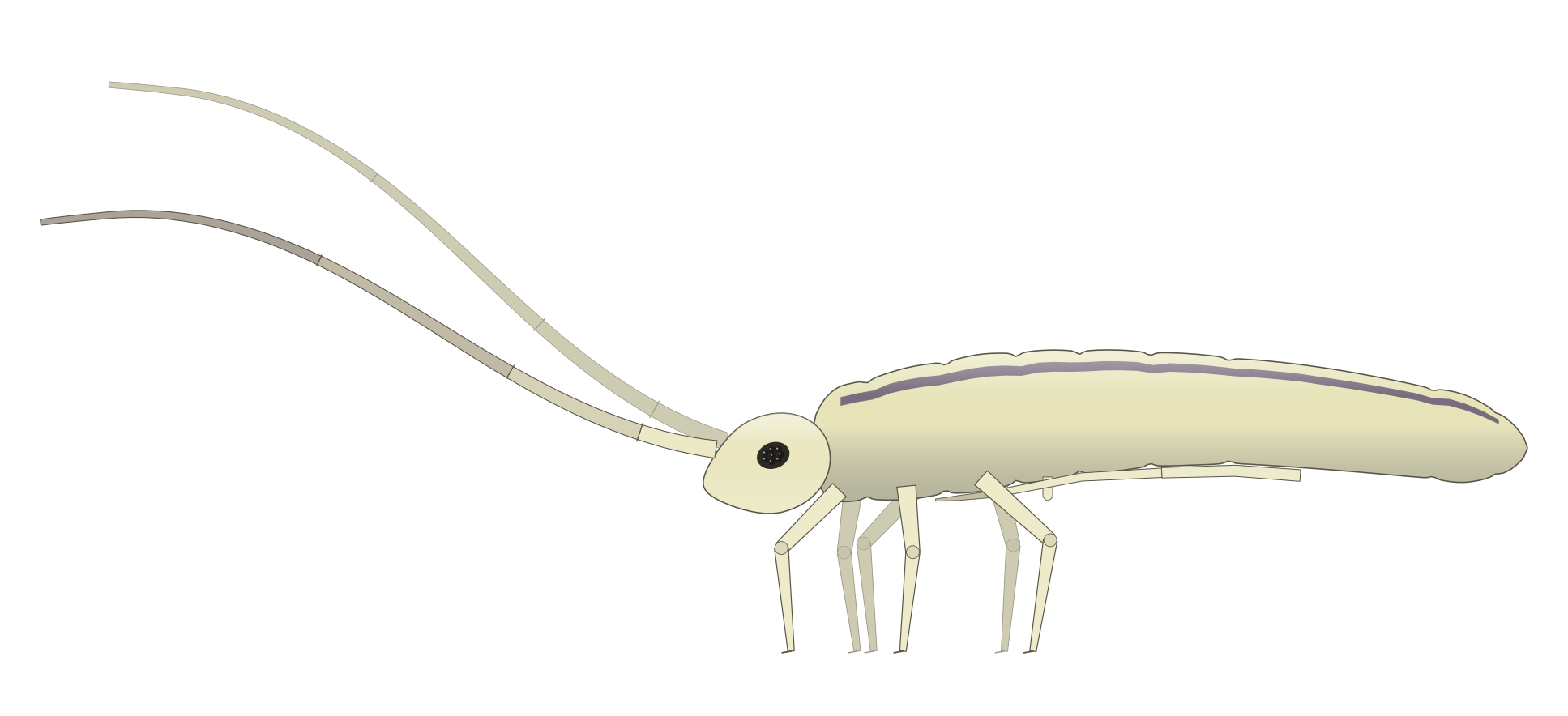
- Entomobrya unostrigata Cotton Springtail A pale springtail with one thin dark stripe along the back, an introduced species now widespread in North America and sold as the Cotton Springtail.
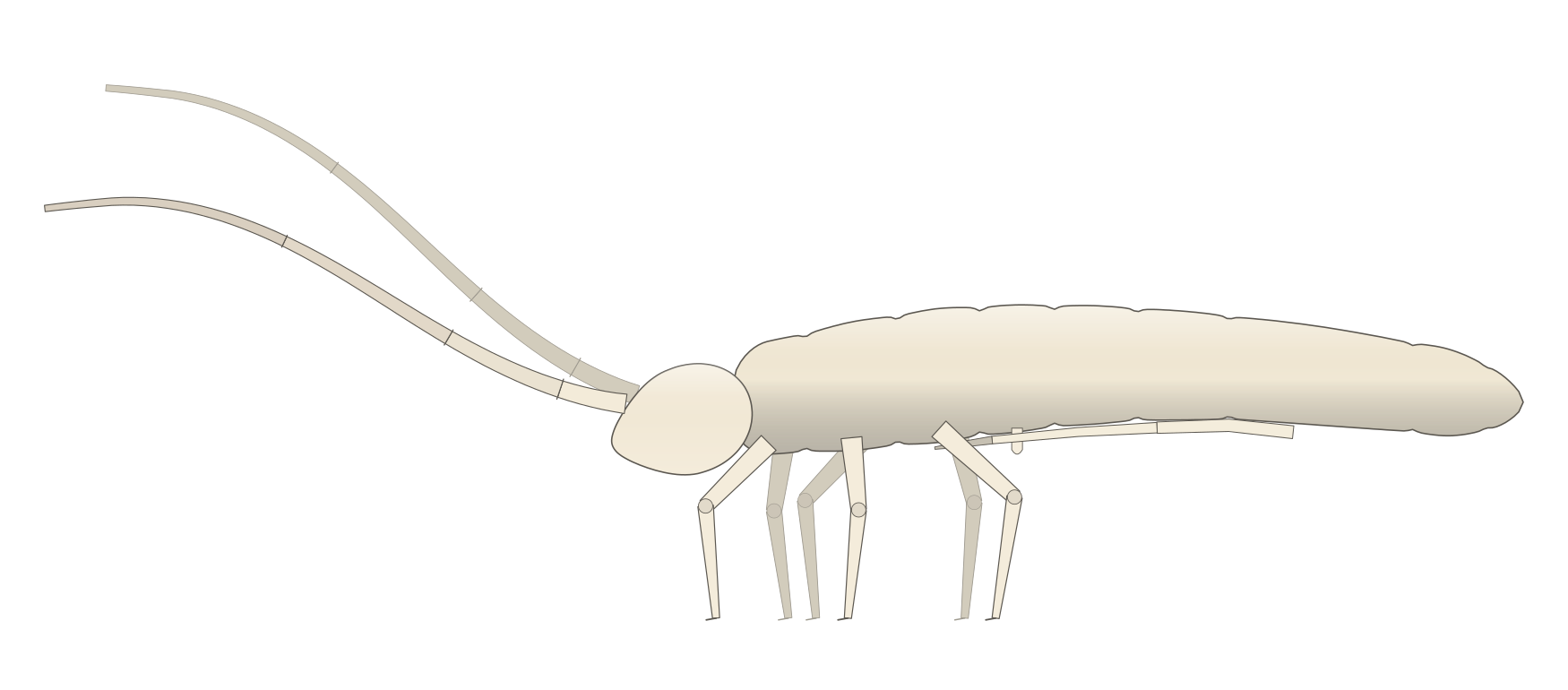
- Pseudosinella violenta An eyeless runner sold as the Bylas Ant Springtail, a species first labelled Cyphoderus and later identified by microscopy.
If something goes wrong
Sources for this guide
- 1
How to Make a Springtail Climbing Barrier
Pavy R. 2025. Springtails US
Link works · Retailer
Cited at Introduction; Warning; Ingredients/Tools; Instructions; Additional Notes.
Reviewed Oct 22, 2026