Keeping cultures
Culture arid and semi-arid springtails
Arid and semi-arid springtails need a ventilated dry side and a wet side. This guide gives the two set-ups and where they differ.
Why a dry side
Springtails US says arid springtails need care unlike any other springtail commonly kept, though it is still quite simple.
Cross ventilation, with vents on the sides, is preferred to a lid vent for holding low humidity on the dry side. The side you ventilate becomes the dry side.
Many arid species are pollinators in nature and can benefit from bee pollen in their diet.
Arid or semi-arid
| Detail | Arid | Semi-arid |
|---|---|---|
| Ventilated part of the bin | The front third | The front quarter |
| Vents drilled in a recommended bin | Six 1 inch vents in the sides | Two or three 1 inch vents in the sides and front |
| Soil kept dry | 50 to 75 percent | About 25 percent |
| Soil that must stay moist at all times | At least a quarter | At least half |
Care
Leaf litter and other clutter make small humidity gradients. The air is humid below the clutter and dry above, which lets the springtails regulate their own needs.
Apart from ventilation and the dry side, care is like other springtails. Feed every 3 to 7 days, make sure the food is eaten, and keep the wet side wet.
Keep reading
Species in this guide
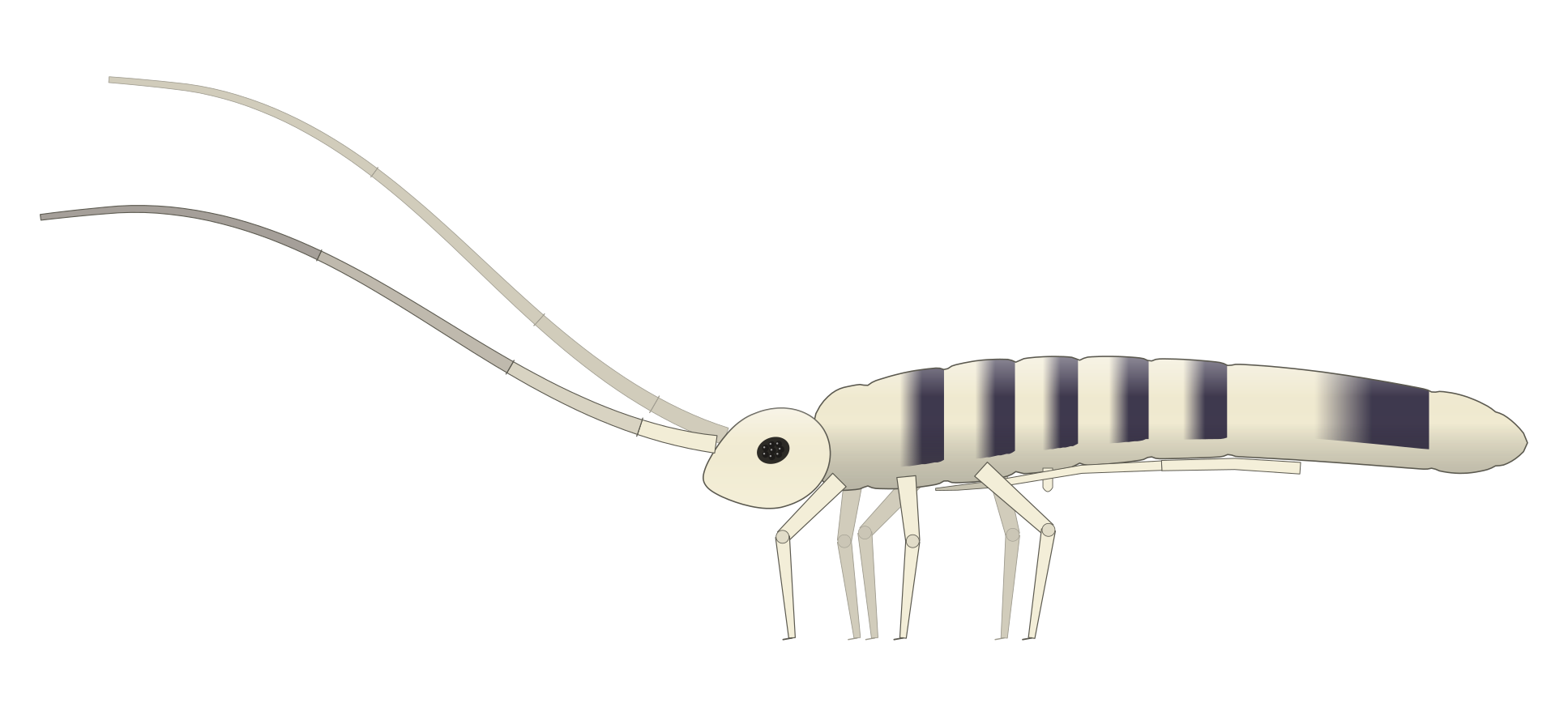
- Entomobrya atrocincta Dimorphic Springtail A springtail whose males and females look so different that they were once drawn as separate forms. Males are orange with one dark band and females are pale with several.
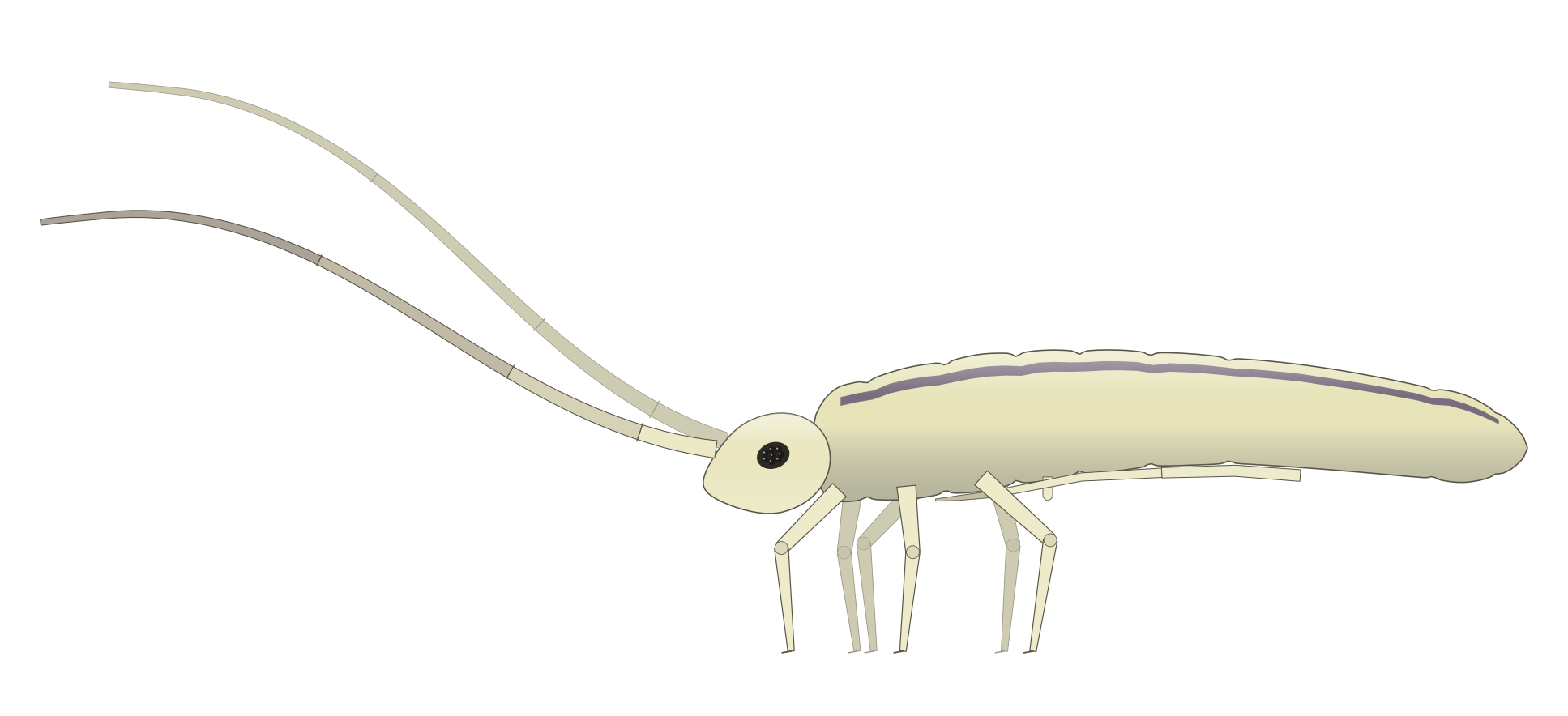
- Entomobrya unostrigata Cotton Springtail A pale springtail with one thin dark stripe along the back, an introduced species now widespread in North America and sold as the Cotton Springtail.
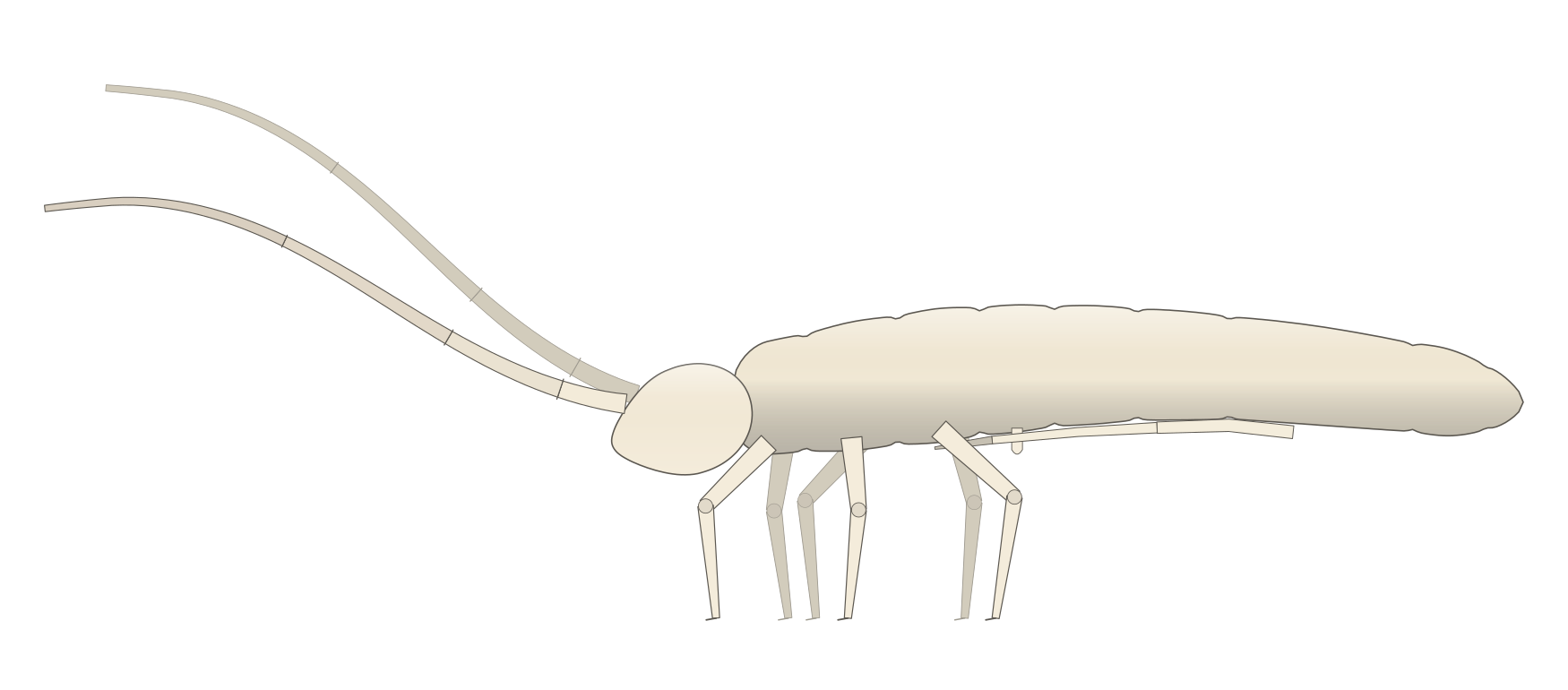
- Pseudosinella violenta An eyeless runner sold as the Bylas Ant Springtail, a species first labelled Cyphoderus and later identified by microscopy.
- Culture springtails on soil
- What to feed springtails and why not moldy rice
- Make a springtail climbing barrier
If something goes wrong
Sources for this guide
- 1
Springtails US
Link works · Retailer
Cited at Introduction; Setup Instructions; Extra Information; Care and Harvesting.
- 2
Semi-Arid Springtail Care Guide
Springtails US
Link works · Retailer
Cited at Setup Instructions; Extra Information; Care and Harvesting.
- 3
How to find, collect, and culture wild springtails
Pavy R. 2023. Springtails US
Link works · Retailer
Cited at Food; Further Techniques and Speculation.
Reviewed Oct 22, 2026