Springtails for an arid terrarium

A dry, well ventilated desert terrarium with a hot basking spot, kept for bearded dragons and similar animals. The list is set for the animals usually kept in this type. Change anything below and it updates.

Show results

Your setup

Climate

Temperature

The range the enclosure holds over a day and a night.

Air humidity

Relative humidity, from its driest to its wettest.

Airflow

Mostly open, or strong cross ventilation.

Substrate

Substrate wetness

How wet it stays most of the time, not only just after misting.

Dry apart from one small damp spot.

Compared with what each species is cultured on. Leave it unset if you are not sure.

What lives in it

What lives in it

Animals that eat springtails mean the springtails need topping up. Choose all that apply.

Frogs and salamanders

Geckos, lizards and snakes

Invertebrates

What you want them for

What you want them for

Rank on conditions alone.

Springtails for this setup

47 species ranked. Best matches 13, possible 18, poor 1, not enough recorded 15.

  • 13 Best matches
  • 18 Possible
  • 1 Poor matches
  • 15 Not enough recorded

One species or a mix

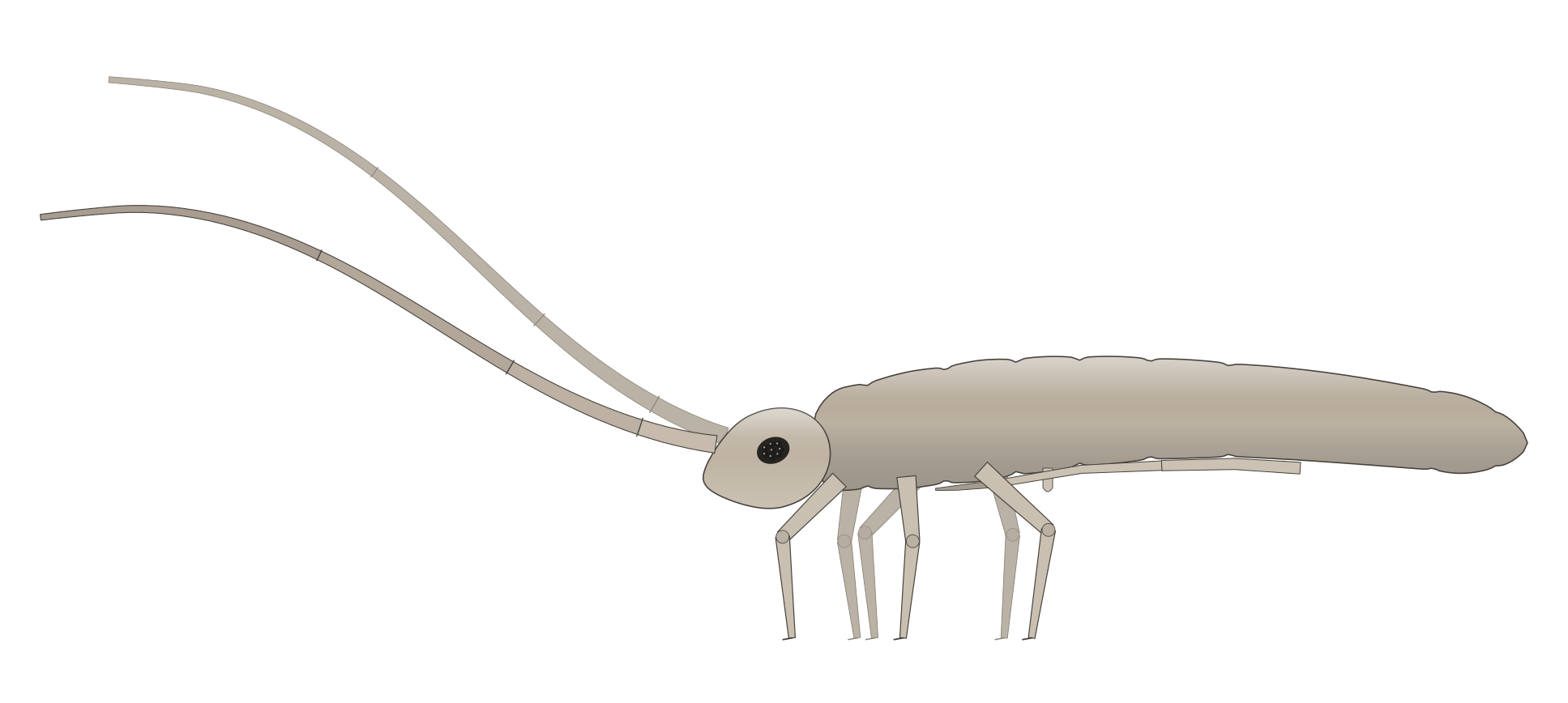
One species is enough. Entomobrya unostrigata suits these conditions best.

Sellers say a mix works when each species lives in a different part of the enclosure. What sellers say Source, Anecdotal

Animals that eat springtails

Predation on the springtails is low.

Species that cannot keep up are marked on the list. A culture kept apart and topped up from a larger one lasts longer.

How hard each animal eats springtails is a curator estimate. The outlook for each species is a model.

Best matches 13

Graded ideal or good for this setup.

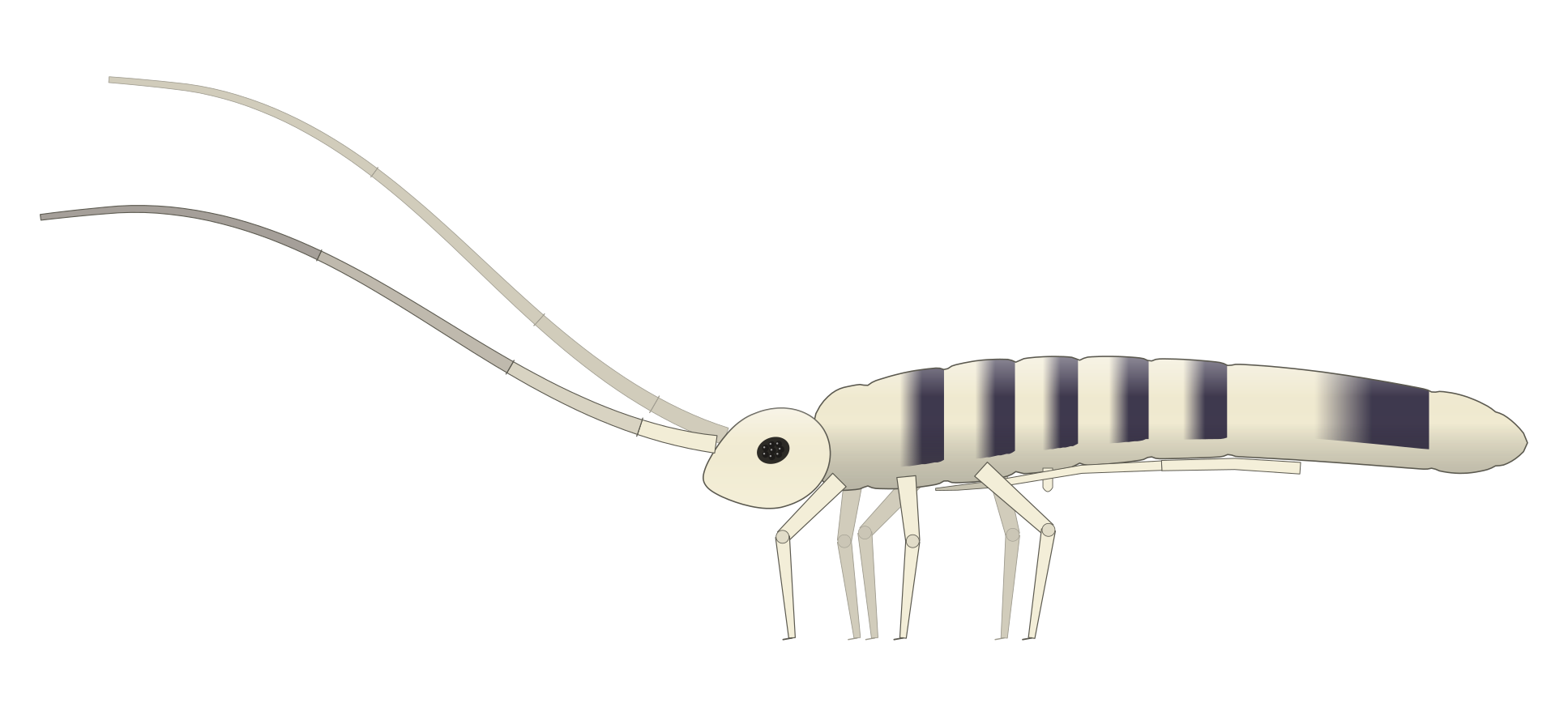
  • Entomobrya unostrigata

    Sold as "Cotton Springtail"

    Good fit

    Graded on how it is cultured Data for 3 of 6 comparisons

    • Fits. Sellers culture it with 75% of the substrate dry, which suits a substrate that stays dry. Source, Anecdotal
    • Fits. It breeds fast enough to keep up with the animals chosen. Source, Anecdotal
    All reasons and gaps

    Not recorded

    • The temperature range it does best in.
    • The air humidity it does best in.
    • Whether it establishes in an enclosure.
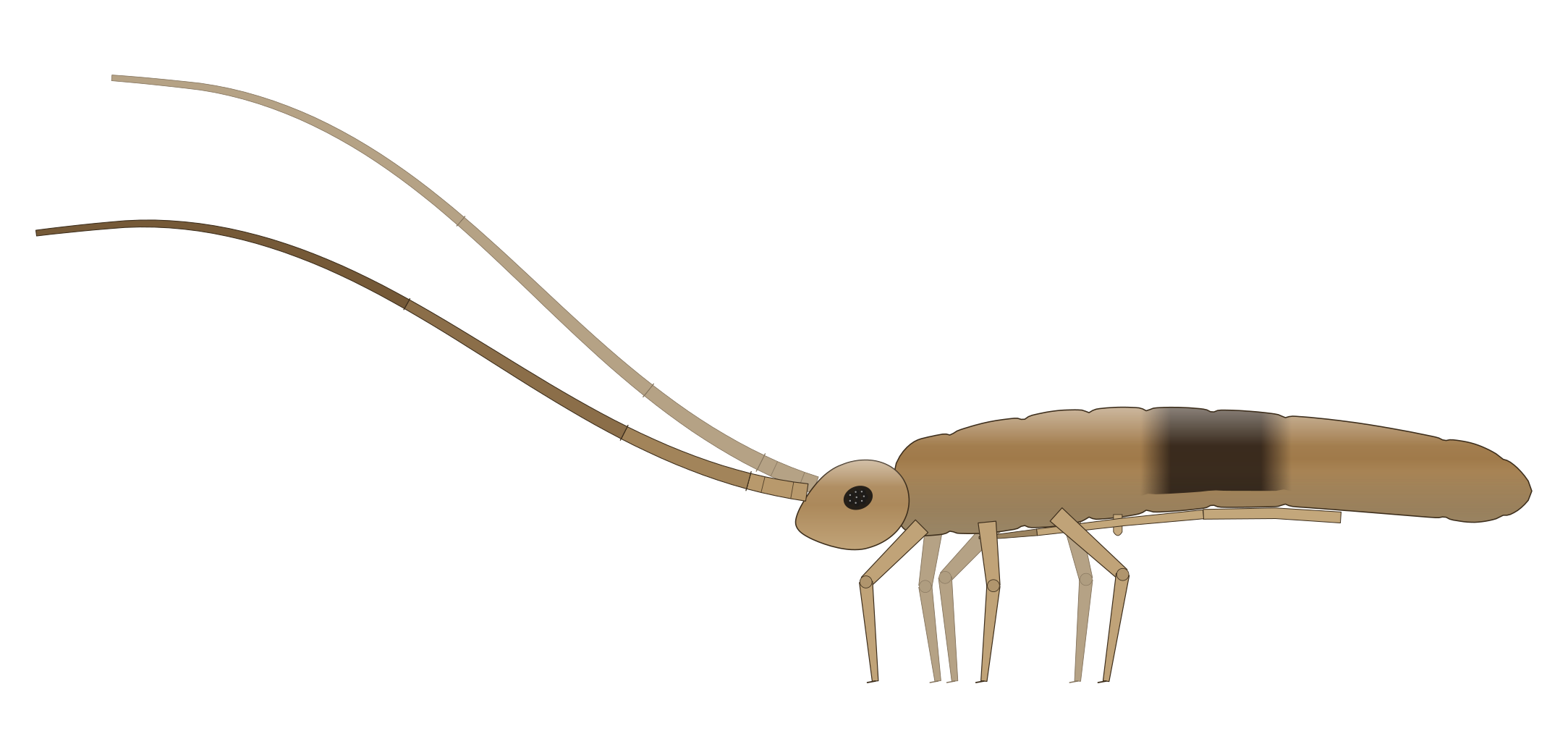
  • Entomobryoides cf. dissimilis

    Sold as "Entomobrya griseoolivata" and "Grizzled Springtail"

    Good fit

    Graded on how it is cultured Data for 3 of 6 comparisons

    • Fits. Sellers culture it with 50% of the substrate dry, which suits a substrate that stays dry. Source, Anecdotal
    • Fits. It breeds fast enough to keep up with the animals chosen. Source, Anecdotal
    All reasons and gaps

    Not recorded

    • The temperature range it does best in.
    • The air humidity it does best in.
    • Whether it establishes in an enclosure.
    • The name is not settled. Stock sold under it may be a different species.
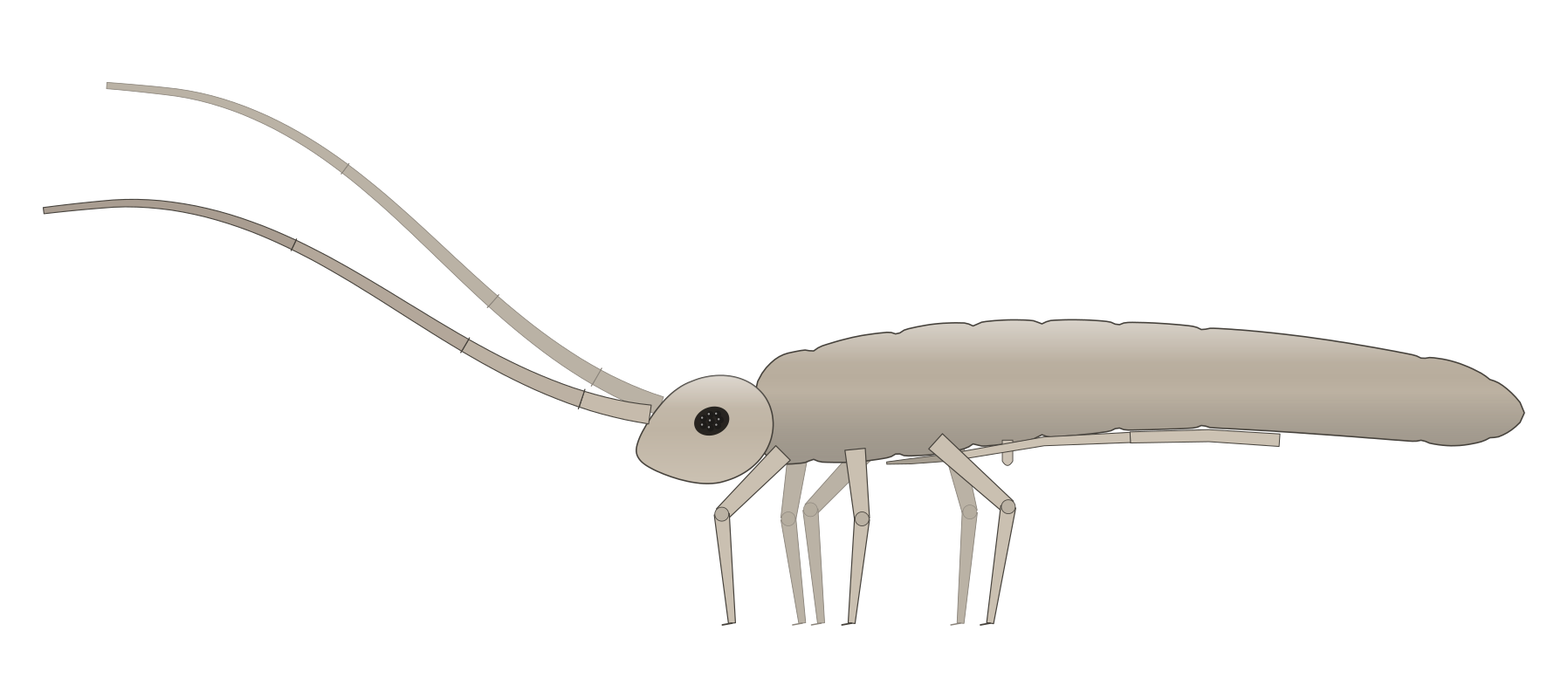
  • Entomobryoides purpurascens

    Sold as "Wood Runner Springtail"

    Good fit

    Graded on how it is cultured Data for 3 of 6 comparisons

    • Fits. Sellers culture it with 75% of the substrate dry, which suits a substrate that stays dry. Source, Anecdotal
    • Fits. It breeds fast enough to keep up with the animals chosen. Source, Anecdotal
    All reasons and gaps

    Not recorded

    • The temperature range it does best in.
    • The air humidity it does best in.
    • Whether it establishes in an enclosure.
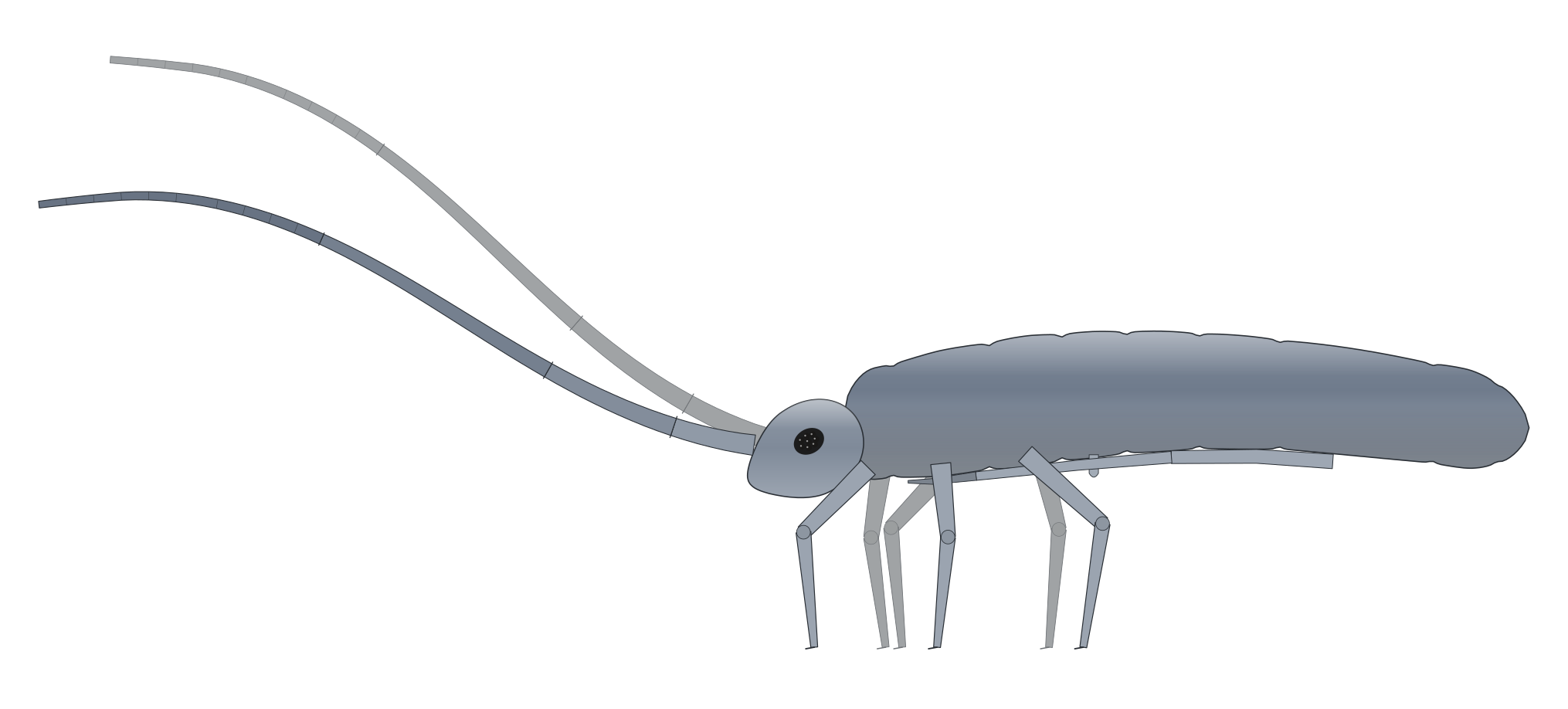
  • Seira brasiliana

    Sold as "Seira bipunctata"

    Good fit

    Graded on how it is cultured Data for 3 of 6 comparisons

    • Fits. Sellers culture it with 75% of the substrate dry, which suits a substrate that stays dry. Source, Anecdotal
    • Fits. It breeds fast enough to keep up with the animals chosen. Source, Anecdotal
    All reasons and gaps

    Not recorded

    • The temperature range it does best in.
    • The air humidity it does best in.
    • Whether it establishes in an enclosure.
  • Seira dowlingi

    Sold as "Entomobrya sp. Silver"

    Good fit

    Graded on how it is cultured Data for 3 of 6 comparisons

    • Fits. Sellers culture it with 75% of the substrate dry, which suits a substrate that stays dry. Source, Anecdotal
    • Fits. It breeds fast enough to keep up with the animals chosen. Source, Anecdotal
    All reasons and gaps

    Not recorded

    • The temperature range it does best in.
    • The air humidity it does best in.
    • Whether it establishes in an enclosure.
  • Good fit

    Graded on how it is cultured Data for 3 of 6 comparisons

    • Fits. Sellers culture it with 75% of the substrate dry, which suits a substrate that stays dry. Source, Anecdotal
    • Fits. It breeds fast enough to keep up with the animals chosen. Source, Anecdotal
    All reasons and gaps

    Not recorded

    • The temperature range it does best in.
    • The air humidity it does best in.
    • Whether it establishes in an enclosure.
Show 7 more
  • Entomobrya multifasciata

    Sold as "Little Tiger Springtail"

    Good fit

    Graded on how it is cultured Data for 3 of 6 comparisons

    • Fits. Sellers culture it with 75% of the substrate dry, which suits a substrate that stays dry. Source, Anecdotal
    • Partly fits. It will need topping up to keep up with the animals chosen. Source, Anecdotal
    All reasons and gaps

    Not recorded

    • The temperature range it does best in.
    • The air humidity it does best in.
    • Whether it establishes in an enclosure.
  • Orchesella villosa

    Sold as "Woolly Mammoth Springtail"

    Good fit

    Graded on how it is cultured Data for 3 of 6 comparisons

    • Fits. Sellers culture it with 50% of the substrate dry, which suits a substrate that stays dry. Source, Anecdotal
    • Partly fits. It will need topping up to keep up with the animals chosen. Source, Anecdotal
    All reasons and gaps

    Not recorded

    • The temperature range it does best in.
    • The air humidity it does best in.
    • Whether it establishes in an enclosure.
  • Seira purpurea

    Sold as "Seira sp. 13"

    Good fit

    Graded on how it is cultured Data for 3 of 6 comparisons

    • Fits. Sellers culture it with 75% of the substrate dry, which suits a substrate that stays dry. Source, Anecdotal
    • Partly fits. It will need topping up to keep up with the animals chosen. Source, Anecdotal
    All reasons and gaps

    Not recorded

    • The temperature range it does best in.
    • The air humidity it does best in.
    • Whether it establishes in an enclosure.
  • Entomobrya atrocincta

    Sold as "Dimorphic Springtail"

    Good fit

    Graded on how it is cultured Data for 3 of 6 comparisons

    • Fits. Sellers culture it with 75% of the substrate dry, which suits a substrate that stays dry. Source, Anecdotal
    • Partly fits. It will need topping up to keep up with the animals chosen. Source, Anecdotal
    All reasons and gaps

    Not recorded

    • The temperature range it does best in.
    • The air humidity it does best in.
    • Whether it establishes in an enclosure.
  • Orchesella cincta

    Sold as "Belted Springtail"

    Good fit

    Graded on how it is cultured Data for 3 of 6 comparisons

    • Fits. Sellers culture it with 50% of the substrate dry, which suits a substrate that stays dry. Source, Anecdotal
    • Partly fits. It will need topping up to keep up with the animals chosen. Source, Anecdotal
    All reasons and gaps

    Not recorded

    • The temperature range it does best in.
    • The air humidity it does best in.
    • Whether it establishes in an enclosure.
  • Willowsia buski

    Sold as "Damp Grain Springtail"

    Good fit

    Graded on how it is cultured Data for 3 of 6 comparisons

    • Fits. Sellers culture it with 75% of the substrate dry, which suits a substrate that stays dry. Source, Anecdotal
    • Partly fits. It will need topping up to keep up with the animals chosen. Source, Anecdotal
    All reasons and gaps

    Not recorded

    • The temperature range it does best in.
    • The air humidity it does best in.
    • Whether it establishes in an enclosure.
  • Pogonognathellus dubius

    Sold as "Giant Silver Bullet Springtail"

    Good fit

    Graded on how it is cultured Data for 3 of 6 comparisons

    • Fits. Sellers culture it with 50% of the substrate dry, which suits a substrate that stays dry. Source, Anecdotal
    • Partly fits. It will need topping up to keep up with the animals chosen. Source, Anecdotal
    All reasons and gaps

    Not recorded

    • The temperature range it does best in.
    • The air humidity it does best in.
    • Whether it establishes in an enclosure.

Possible 18

Graded marginal. Something about the setup is not quite right.

  • Entomobrya assuta

    Sold as "Entomobrya confusa" and "Varicolored Springtail"

    Marginal fit

    Graded on how it is cultured Data for 3 of 6 comparisons

    • Partly fits. Sellers culture it with about 25% of the substrate dry. A substrate that stays dry is only a partial match. Source, Anecdotal
    • Fits. It breeds fast enough to keep up with the animals chosen. Source, Anecdotal
    All reasons and gaps
    • Partly fits. Airflow is high. This species is usually kept with medium airflow. Source, Anecdotal

    Not recorded

    • The temperature range it does best in.
    • The air humidity it does best in.
    • Whether it establishes in an enclosure.
  • Lepidocyrtus violaceus

    Sold as "Blacklight Springtail"

    Marginal fit

    Graded on how it is cultured Data for 3 of 6 comparisons

    • Partly fits. Sellers culture it with about 25% of the substrate dry. A substrate that stays dry is only a partial match. Source, Anecdotal
    • Fits. It breeds fast enough to keep up with the animals chosen. Source, Anecdotal
    All reasons and gaps
    • Partly fits. Airflow is high. This species is usually kept with medium airflow. Source, Anecdotal

    Not recorded

    • The temperature range it does best in.
    • The air humidity it does best in.
    • Whether it establishes in an enclosure.
  • Coecobrya tenebricosa

    Sold as "Sinella curviseta" and "Tropical Pink Springtail"

    Marginal fit

    Graded on how it is cultured Data for 4 of 6 comparisons

    • Does not fit. Sellers culture it damp all the way through, so a substrate that stays dry is a poor match. Source, Anecdotal
    • Fits. Keepers report that it establishes readily in an enclosure. Source, Hobby consensus
    All reasons and gaps
    • Fits. It breeds fast enough to keep up with the animals chosen. Source, Anecdotal
    • Does not fit. Airflow is high. This species is usually kept with low airflow, which is a big difference. Source, Anecdotal

    Not recorded

    • The temperature range it does best in.
    • The air humidity it does best in.
  • Tomocerus vulgaris

    Sold as "Common Bull Springtail" and "Giant Silver Springtail"

    Marginal fit

    Graded on how it is cultured Data for 3 of 6 comparisons

    • Partly fits. Sellers culture it with about 25% of the substrate dry. A substrate that stays dry is only a partial match. Source, Anecdotal
    • Partly fits. It will need topping up to keep up with the animals chosen. Source, Anecdotal
    All reasons and gaps
    • Partly fits. Airflow is high. This species is usually kept with medium airflow. Source, Anecdotal

    Not recorded

    • The temperature range it does best in.
    • The air humidity it does best in.
    • Whether it establishes in an enclosure.
  • Marginal fit

    Graded on how it is cultured Data for 3 of 6 comparisons

    • Does not fit. Sellers culture it damp all the way through, so a substrate that stays dry is a poor match. Source, Anecdotal
    • Fits. It breeds fast enough to keep up with the animals chosen. Source, Anecdotal
    All reasons and gaps
    • Does not fit. Airflow is high. This species is usually kept with low airflow, which is a big difference. Source, Anecdotal

    Not recorded

    • The temperature range it does best in.
    • The air humidity it does best in.
    • Whether it establishes in an enclosure.
  • Ceratophysella isabellae

    Sold as "Lilac Springtail" and "Purple Springtail"

    Marginal fit

    Graded on how it is cultured Data for 3 of 6 comparisons

    • Does not fit. Sellers culture it damp all the way through, so a substrate that stays dry is a poor match. Source, Anecdotal
    • Fits. It breeds fast enough to keep up with the animals chosen. Source, Anecdotal
    All reasons and gaps
    • Does not fit. Airflow is high. This species is usually kept with low airflow, which is a big difference. Source, Anecdotal

    Not recorded

    • The temperature range it does best in.
    • The air humidity it does best in.
    • Whether it establishes in an enclosure.
Show 12 more
  • Desoria trispinata

    Sold as "Blue Velvet Springtail"

    Marginal fit

    Graded on how it is cultured Data for 3 of 6 comparisons

    • Does not fit. Sellers culture it damp all the way through, so a substrate that stays dry is a poor match. Source, Anecdotal
    • Fits. It breeds fast enough to keep up with the animals chosen. Source, Anecdotal
    All reasons and gaps
    • Does not fit. Airflow is high. This species is usually kept with low airflow, which is a big difference. Source, Anecdotal

    Not recorded

    • The temperature range it does best in.
    • The air humidity it does best in.
    • Whether it establishes in an enclosure.
  • Lepidocyrtus sp. 'Micro Gold'

    Sold as "Micro Gold Springtail"

    Marginal fit

    Graded on how it is cultured Data for 3 of 6 comparisons

    • Does not fit. Sellers culture it damp all the way through, so a substrate that stays dry is a poor match. Source, Anecdotal
    • Fits. It breeds fast enough to keep up with the animals chosen. Source, Anecdotal
    All reasons and gaps
    • Does not fit. Airflow is high. This species is usually kept with low airflow, which is a big difference. Source, Anecdotal

    Not recorded

    • The temperature range it does best in.
    • The air humidity it does best in.
    • Whether it establishes in an enclosure.
    • The name is not settled. Stock sold under it may be a different species.
  • Marginal fit

    Graded on how it is cultured Data for 3 of 6 comparisons

    • Does not fit. Sellers culture it damp all the way through, so a substrate that stays dry is a poor match. Source, Anecdotal
    • Fits. It breeds fast enough to keep up with the animals chosen. Source, Anecdotal
    All reasons and gaps
    • Does not fit. Airflow is high. This species is usually kept with low airflow, which is a big difference. Source, Anecdotal

    Not recorded

    • The temperature range it does best in.
    • The air humidity it does best in.
    • Whether it establishes in an enclosure.
    • The name is not settled. Stock sold under it may be a different species.
  • Proisotoma minuta

    Sold as "Blue Podura Springtail"

    Marginal fit

    Graded on how it is cultured Data for 3 of 6 comparisons

    • Does not fit. Sellers culture it damp all the way through, so a substrate that stays dry is a poor match. Source, Anecdotal
    • Fits. It breeds fast enough to keep up with the animals chosen. Source, Anecdotal
    All reasons and gaps
    • Does not fit. Airflow is high. This species is usually kept with low airflow, which is a big difference. Source, Anecdotal

    Not recorded

    • The temperature range it does best in.
    • The air humidity it does best in.
    • Whether it establishes in an enclosure.
  • Pseudosinella violenta

    Sold as "Bylas Ant Springtail" and "Cyphoderus sp."

    Marginal fit

    Graded on how it is cultured Data for 3 of 6 comparisons

    • Does not fit. Sellers culture it damp all the way through, so a substrate that stays dry is a poor match. Source, Anecdotal
    • Fits. It breeds fast enough to keep up with the animals chosen. Source, Anecdotal
    All reasons and gaps
    • Does not fit. Airflow is high. This species is usually kept with low airflow, which is a big difference. Source, Anecdotal

    Not recorded

    • The temperature range it does best in.
    • The air humidity it does best in.
    • Whether it establishes in an enclosure.
  • Marginal fit

    Graded on how it is cultured Data for 3 of 6 comparisons

    • Does not fit. Sellers culture it damp all the way through, so a substrate that stays dry is a poor match. Source, Anecdotal
    • Fits. It breeds fast enough to keep up with the animals chosen. Source, Anecdotal
    All reasons and gaps
    • Does not fit. Airflow is high. This species is usually kept with low airflow, which is a big difference. Source, Anecdotal

    Not recorded

    • The temperature range it does best in.
    • The air humidity it does best in.
    • Whether it establishes in an enclosure.
    • The name is not settled. Stock sold under it may be a different species.
  • Thalassaphorura encarpata

    Sold as "Little Soil Springtail"

    Marginal fit

    Graded on how it is cultured Data for 3 of 6 comparisons

    • Does not fit. Sellers culture it damp all the way through, so a substrate that stays dry is a poor match. Source, Anecdotal
    • Fits. It breeds fast enough to keep up with the animals chosen. Source, Anecdotal
    All reasons and gaps
    • Does not fit. Airflow is high. This species is usually kept with low airflow, which is a big difference. Source, Anecdotal

    Not recorded

    • The temperature range it does best in.
    • The air humidity it does best in.
    • Whether it establishes in an enclosure.
  • Xenylla grisea

    Sold as "Tiny Blue Springtail"

    Marginal fit

    Graded on how it is cultured Data for 3 of 6 comparisons

    • Does not fit. Sellers culture it damp all the way through, so a substrate that stays dry is a poor match. Source, Anecdotal
    • Fits. It breeds fast enough to keep up with the animals chosen. Source, Anecdotal
    All reasons and gaps
    • Does not fit. Airflow is high. This species is usually kept with low airflow, which is a big difference. Source, Anecdotal

    Not recorded

    • The temperature range it does best in.
    • The air humidity it does best in.
    • Whether it establishes in an enclosure.
  • Isotomurus cf. louisiana

    Sold as "Green Water Springtail" and "Isotomurus retardatus"

    Marginal fit

    Graded on how it is cultured Data for 3 of 6 comparisons

    • Does not fit. Sellers culture it damp all the way through, so a substrate that stays dry is a poor match. Source, Anecdotal
    • Fits. It breeds fast enough to keep up with the animals chosen. Source, Anecdotal
    All reasons and gaps
    • Does not fit. Airflow is high. This species is usually kept with low airflow, which is a big difference. Source, Anecdotal

    Not recorded

    • The temperature range it does best in.
    • The air humidity it does best in.
    • Whether it establishes in an enclosure.
    • The name is not settled. Stock sold under it may be a different species.
    • Keepers rate it hard to keep, so it may not last in an enclosure. Source, Anecdotal
  • Yuukianura aphoruroides

    Sold as "Bilobella aurantiaca" and "Bilobella braunerae"

    Marginal fit

    Graded on how it is cultured Data for 3 of 6 comparisons

    • Does not fit. Sellers culture it damp all the way through, so a substrate that stays dry is a poor match. Source, Anecdotal
    • Partly fits. It will need topping up to keep up with the animals chosen. Source, Anecdotal
    All reasons and gaps
    • Does not fit. Airflow is high. This species is usually kept with low airflow, which is a big difference. Source, Anecdotal

    Not recorded

    • The temperature range it does best in.
    • The air humidity it does best in.
    • Whether it establishes in an enclosure.
  • Marginal fit

    Graded on how it is cultured Data for 3 of 6 comparisons

    • Does not fit. Sellers culture it damp all the way through, so a substrate that stays dry is a poor match. Source, Anecdotal
    • Partly fits. It will need topping up to keep up with the animals chosen. Source, Anecdotal
    All reasons and gaps
    • Does not fit. Airflow is high. This species is usually kept with low airflow, which is a big difference. Source, Anecdotal

    Not recorded

    • The temperature range it does best in.
    • The air humidity it does best in.
    • Whether it establishes in an enclosure.
  • Lobella sp. 'Thai Red'

    Sold as "Thai Red Springtail"

    Marginal fit

    Graded on how it is cultured Data for 3 of 6 comparisons

    • Does not fit. Sellers culture it damp all the way through, so a substrate that stays dry is a poor match. Source, Anecdotal
    • Partly fits. It will need topping up to keep up with the animals chosen. Source, Anecdotal
    All reasons and gaps
    • Does not fit. Airflow is high. This species is usually kept with low airflow, which is a big difference. Source, Anecdotal

    Not recorded

    • The temperature range it does best in.
    • The air humidity it does best in.
    • Whether it establishes in an enclosure.
    • The name is not settled. Stock sold under it may be a different species.
    • Keepers rate it hard to keep, so it may not last in an enclosure. Source, Anecdotal

Poor matches 1

Graded poor. The record says the setup is outside what they do well in.

  • Folsomia candida

    Sold as "Common White Springtail"

    Poor fit

    Graded on recorded temperature and humidity ranges Data for 5 of 6 comparisons

    • Does not fit. The enclosure holds 22–35 °C72–95 °F. That is outside the 15–22 °C59–72 °F this species does best in. Source, Hobby consensus
    • Does not fit. The substrate stays dry. This species does best when it is wet. Source, Hobby consensus
    All reasons and gaps
    • Fits. Keepers report that it establishes readily in an enclosure. Source, Hobby consensus
    • Fits. It breeds fast enough to keep up with the animals chosen.
    • Does not fit. Airflow is high. This species is usually kept with low airflow, which is a big difference. Source, Hobby consensus

    Not recorded

    • The air humidity it does best in.

Not enough recorded 15

Too little is recorded about these to compare them with your setup. They are not ruled out.

  • Not enough recorded

    Not enough is recorded to compare this species with the setup.

    Not recorded

    • The temperature range it does best in.
    • The air humidity it does best in.
    • How wet it likes the substrate.
    • The airflow it is kept with.
    • Whether it establishes in an enclosure.
    • How fast it breeds, which says if it can keep up with the animals.
    • The name is not settled. Stock sold under it may be a different species.
  • Not enough recorded

    Not enough is recorded to compare this species with the setup.

    Not recorded

    • The temperature range it does best in.
    • The air humidity it does best in.
    • How wet it likes the substrate.
    • The airflow it is kept with.
    • Whether it establishes in an enclosure.
    • How fast it breeds, which says if it can keep up with the animals.
    • The name is not settled. Stock sold under it may be a different species.
Show 9 more
  • Not enough recorded

    Not enough is recorded to compare this species with the setup.

    Not recorded

    • The temperature range it does best in.
    • The air humidity it does best in.
    • How wet it likes the substrate.
    • The airflow it is kept with.
    • Whether it establishes in an enclosure.
    • How fast it breeds, which says if it can keep up with the animals.
    • The name is not settled. Stock sold under it may be a different species.
  • Not enough recorded

    Not enough is recorded to compare this species with the setup.

    Not recorded

    • The temperature range it does best in.
    • The air humidity it does best in.
    • How wet it likes the substrate.
    • The airflow it is kept with.
    • Whether it establishes in an enclosure.
    • How fast it breeds, which says if it can keep up with the animals.
  • Pseudosinella rolfsi

    Sold as "Runner Springtail"

    Not enough recorded

    Not enough is recorded to compare this species with the setup.

    Not recorded

    • The temperature range it does best in.
    • The air humidity it does best in.
    • How wet it likes the substrate.
    • The airflow it is kept with.
    • Whether it establishes in an enclosure.
    • How fast it breeds, which says if it can keep up with the animals.
  • Not enough recorded

    Not enough is recorded to compare this species with the setup.

    Not recorded

    • The temperature range it does best in.
    • The air humidity it does best in.
    • How wet it likes the substrate.
    • The airflow it is kept with.
    • Whether it establishes in an enclosure.
    • How fast it breeds, which says if it can keep up with the animals.
    • The name is not settled. Stock sold under it may be a different species.
  • Tetrodontophora bielanensis

    Sold as "Giant Blue Springtail"

    Not enough recorded

    Not enough is recorded to compare this species with the setup.

    Not recorded

    • The temperature range it does best in.
    • The air humidity it does best in.
    • How wet it likes the substrate.
    • The airflow it is kept with.
    • Whether it establishes in an enclosure.
    • How fast it breeds, which says if it can keep up with the animals.
  • Not enough recorded

    Not enough is recorded to compare this species with the setup.

    Not recorded

    • The temperature range it does best in.
    • The air humidity it does best in.
    • How wet it likes the substrate.
    • The airflow it is kept with.
    • Whether it establishes in an enclosure.
    • How fast it breeds, which says if it can keep up with the animals.

What the record says about this setup

Veterinary guidance for bearded dragons gives a preferred zone of 27–31 °C81–88 °F, a basking spot of 33–35 °C91–95 °F, a night low of 16–21 °C61–70 °F, and relative humidity of 30 to 50 percent. Expert source 1
Springtails US says arid springtails need care unlike any other springtail commonly kept, though it is still quite simple. Anecdotal 2

How the list is worked out

Each species is compared with your setup, one factor at a time. A factor is used only when a value is recorded, and the card links to the claim behind it.

How the list is worked out
Factor What it compares Weight
Temperature How much of the range the enclosure holds sits inside the range the species does best in. 30
Substrate wetness Substrate wetness against the recorded range, or against how the species is cultured when no range is recorded. 18
Air humidity The same comparison for relative humidity of the air. 12
Establishing Whether keepers report that it establishes in an enclosure. 12
Predation Whether its breeding rate can keep up with the animals chosen. Used only when an animal eats springtails. 10
Airflow The airflow of the setup against the airflow the species is kept with. 8
Substrate The substrate you chose against how the species does on it in culture. Used only when you choose one. 6
Use What you want the springtails for against what the species is used for. Used only when you choose one. 6

Weights are relative. A comparison that does not apply, such as the substrate when none is chosen, leaves the sum.

A factor with no recorded value counts as neutral. When less than a quarter of the weight has data, the species is not graded and says so.

Temperature outside the range a species does best in holds it at poor. Humidity or wetness outside its range holds it at marginal. A species that is unlikely to establish, or breeds too slowly for the animals chosen, is held at marginal.

Most species have no recorded temperature or humidity range yet. For those the list leans on how sellers culture them, and the card says so. Without a temperature range a species cannot grade as ideal.

A curator can set the grade for a species in a standard type when a seller or keeper says so. Those grades are labelled and link to their claim.

How the list is ordered

Species are sorted by grade and then by score. Scores within two points count as equal. Equal species go by whether they are sold, then by how easy keepers rate them, then by how much is recorded. The same setup always gives the same order.

Assumptions in this model

Model assumption The grade for a species adds up every comparison that has recorded data and counts each missing comparison as neutral. Temperature counts most, then how wet the substrate is, then air humidity, whether the species establishes in enclosures, and airflow. A species with no recorded temperature range cannot be graded ideal. Unknown Open question How wet and how ventilated are real bioactive enclosures?
Model assumption The match between how a species is cultured and how wet an enclosure stays is a curator estimate. Stock that sellers keep damp all the way through is matched to wet and damp enclosures. Stock kept with a dry side is matched to drier ones. The scores are choices made for this site and are not measurements. Unknown Open question Does the way a species is cultured predict how it does in an enclosure?
Model assumption Whether a species can keep up with an animal that eats springtails compares its seller breeding rating with a curator estimate of how heavily the animal eats them. Species that spend more time on the surface count as easier to catch. The outlook is a model and not a count of real springtails. Unknown Open question How fast do common enclosure animals eat springtails?
Model assumption The moisture and ventilation figures for every enclosure are curator choices on a model scale from 0 for dry to 1 for waterlogged. No survey of keeper conditions was found. Unknown Open question How wet and how ventilated are real bioactive enclosures?

What the record says about the animals

Sellers say springtails serve as a self-renewing live food in dart frog and small gecko setups, and describe feeding springtails from a culture to a tiny dart froglet. Hobby consensus 3, 4
Model assumption The predation levels and reseed factors for the other animals are curator choices for the calculators. No study of how fast each animal eats springtails in a bioactive enclosure was found. Unknown Open question How fast do common enclosure animals eat springtails?
One seller says isopods may eat a springtail that is dead or too weak to move, but it found no record of an isopod catching a healthy springtail. Anecdotal 4
Sources

  1. 1

    Feeding the Hospitalized Lizard

    LafeberVet

    Checked by hand · Expert observation

    Cited at Table 1.

  2. 2

    Arid Springtail Care Guide

    Springtails US

    Link works · Retailer

    Cited at Introduction.

  3. 3

    Springtail Care & Breeding Information

    New England Herpetoculture

    Link works · Retailer

    Cited at Tips and Tricks.

  4. 4
    Temperate Springtails Care Guide (Folsomia candida)

    PostPods

    Link works · Retailer

    Cited at In the enclosure.