Collecting in the wild
Find, collect and culture wild springtails
Where to look, how to collect with an aspirator, and how to copy the place you found them. Culturing wild springtails is an imprecise art, so record the locality.
Where to look
Springtails live on forest floors, lakeshores, under the bark of fallen trees, in and on rotting logs, under lawn pavers, in compost piles and bags of garden centre soil, on flowering plants, on sidewalks and on the surface of aquariums.
Most species are tiny, so finding them takes patience and practice after you have picked a suitable place.
Collect
A Tullgren funnel is a cut-down bottle holding a soil, litter or rotting wood sample, with a hot lamp above and a cup of water or moist paper towel below. It collects far more than springtails, especially mites that are very hard to separate.
Springtails US now collects by hand with an entomology aspirator, which takes springtails without other pests. Prepare collection containers with a small piece of moist paper towel in a deli cup, and note the environment each type came from.
Culture what you collected
Mimic the environment where the springtails were found as closely as you can. Once you have had success, you can experiment with new set-ups.
A larger enclosure allows more variation in humidity and moisture, but can make it hard for a small sample to reproduce. Use bins with a proper seal to prevent escapes and the entry of pests.
Springtails US recommends plenty of ventilation on one side and none on the other, with the whole front quarter of a bin ventilated, to create a moisture and humidity gradient. Mesh of 35 microns or finer over the holes keeps springtails in and pests out.
Most springtails do well on brewer's yeast, or better on a mix of many food sources so they have more choice.
Leaf litter, bark, egg crate or sphagnum moss gives extra food and micro-climates. Humidity is higher on the soil than halfway up a leaf, and higher again under bark than on bare soil.
Species that are still hard
Springtails US reports that the giant European Tetrodontophora bielanensis lives in cool mountain regions and needs cooler temperatures to reproduce. Snow fleas such as Hypogastrura harveyi and Hymenophorura cocklei are mostly seen in winter, and one hobbyist reported better reproduction for H. cocklei in a fridge.
Semi-aquatic species such as Podura aquatica have had limited success in culture. The genus Sminthurides has been kept without standing water, but long term success has not been reached.
Keep reading
Species in this guide
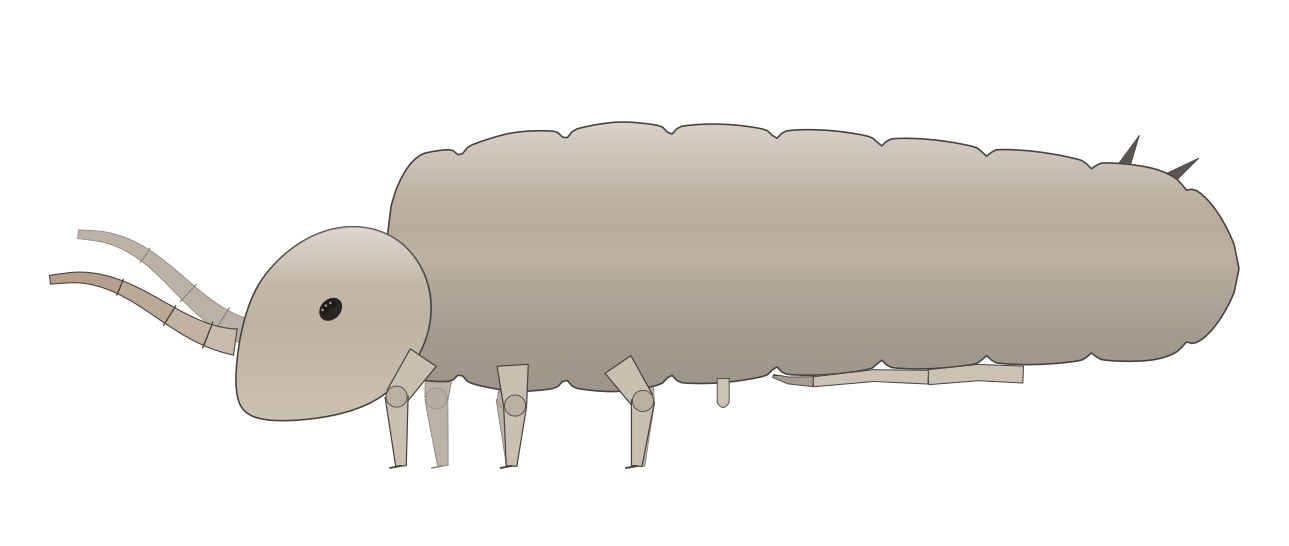
- Culture springtails on soil
- Culture arid and semi-arid springtails
- What to feed springtails and why not moldy rice
If something goes wrong
Sources for this guide
- 1
How to find, collect, and culture wild springtails
Pavy R. 2023. Springtails US
Link works · Retailer
Cited at Where to find springtails; How to collect springtails; How to culture wild caught springtails; Enclosure; Ventilation; Food; Further Techniques and Speculation; Conclusion.
Reviewed Oct 22, 2026